

Metal Injection Molding Solutions for Complex Precision Components

Hexagonal honeycomb-shaped black objects, created using Metal Injection Molding Solutions for Complex Precision Components, are displayed on a flat metal base atop a wooden table with various other items in the background.

Metal injection molding solutions address the production challenges that arise when a design requires a small, complex metal part in quantities where machining is uneconomical and casting is too imprecise. The process is a specific answer to a specific set of requirements: complexity of geometry, precision of dimensions, quality of material, and volume of production that other forming processes cannot simultaneously satisfy.

For design engineers and procurement managers in the medical device, aerospace, and precision industrial sectors, understanding what metal injection molding solutions actually provide, and under what conditions they   are the right choice, is the starting point for effective component sourcing decisions.

The Production Problem MIM Solves

Consider a stainless steel surgical instrument component with an overall size of 15 by 8 by 5 millimetres, containing an internal passage of 1.5 millimetres diameter, an external feature with a 0.5-millimetre radius, and a flat surface required to ?0.02 millimetres flatness. The required volume is 50,000 pieces per year.

Machining this part from bar stock requires at least four set-ups for the external features plus a separate gun-drilling operation for the internal passage. Cycle time per part is several minutes. At 50,000 parts per year, the machining resource and cost is significant.

Metal injection molding produces the same part in a single shot, with the internal passage formed in the mould and the external features produced simultaneously. Post-sinter finishing of the flat surface to the flatness specification adds one operation. Cycle time per shot (potentially multiple parts) is under a minute. At 50,000 parts per year, the per-part cost is a fraction of machining.

Where MIM Solutions Apply

Metal injection molding solutions are most applicable when:

  • Part mass is below approximately 100 grams, though larger parts are possible with appropriate tooling.
  • Part geometry is too complex for conventional forming and involves features such as internal channels, cross-drilled holes, undercuts, thin walls with varying thickness, or complex three-dimensional external profiles.
  • Annual volume justifies the tooling investment, typically from 5,000 parts per year upward depending on part value.
  • Material must be a metallic alloy with good powder metallurgy processability, including the stainless steels, low-alloy steels, and titanium alloys most commonly used.

“Complex metal parts at volume is a manufacturing problem that Singapore’s precision sector solves better than almost anywhere else in the world,” said EDB Senior Vice President Howie Lau at a precision manufacturing forum. Metal injection molding is the process at the centre of that capability.

The Total Cost of MIM Solutions

The cost of a metal injection molding solution has two components: tooling and production. Tooling for a MIM component ranges from S$15,000 to S$50,000 depending on part complexity, number of cavities, and the precision required. This is a one-time investment that is amortised across the production volume.

Production cost per part, once tooling is qualified, is typically low and scales favourably with volume. For small, complex stainless steel parts, production cost in volume often compares favourably with aluminium die castings of comparable complexity, despite stainless steel being a more expensive raw material.

Quality and Certification

MIM solutions for medical device applications require the full quality management infrastructure of ISO 13485: validated processes, controlled materials, calibrated inspection equipment, and complete traceability from finished parts back to raw material lots and manufacturing records.

AMT Metal Injection Molding Solutions

AMT provides metal injection molding solutions from its Singapore manufacturing facility for complex precision components in medical devices, aerospace, and precision industrial applications, with quality systems and material capabilities aligned to the requirements of these sectors.
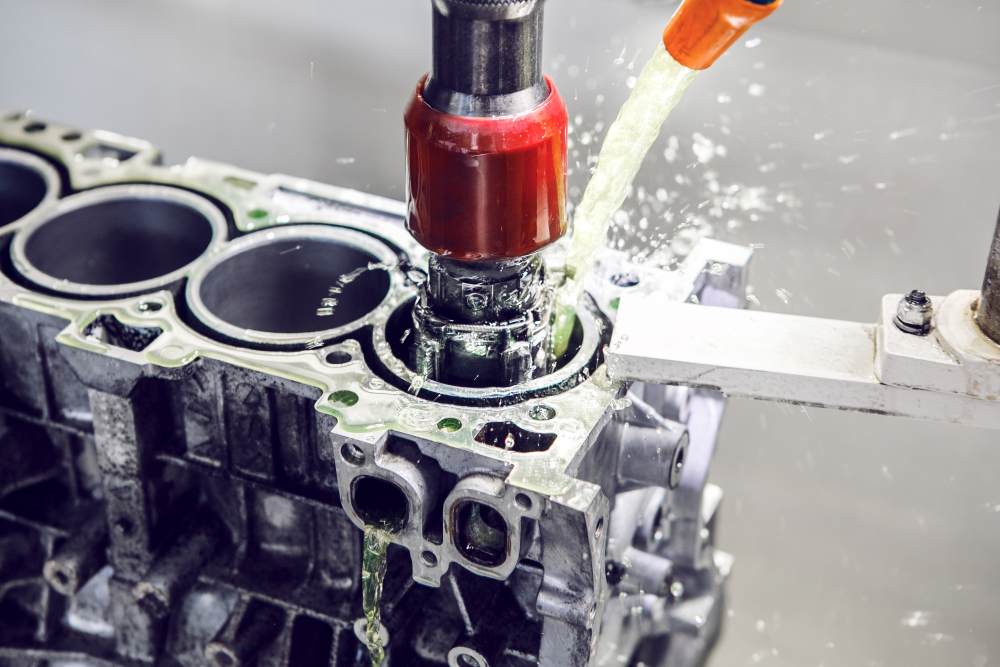

Metal Injection Molding Services for Complex and Precision Components

A machine tool drills into an engine block while coolant fluid is sprayed onto the cutting area to reduce heat and friction, demonstrating advanced techniques similar to Metal Injection Molding Services for complex and precision components.

Metal injection molding solves a problem that has challenged engineers for decades, how to mass-produce metal components with complex three-dimensional shapes at costs that make commercial sense. Before MIM existed, manufacturers faced a choice between precision machining, which handles complexity but costs more per part, and conventional casting, which handles volume but sacrifices dimensional accuracy. Metal injection molding sits between those two methods and outperforms both for the right class of component.

The process draws its lineage from plastic injection moulding, a technology that manufacturers have refined over more than a century. What metal injection moulding adds is the material: a feedstock made from fine metal powders mixed with a binder system, typically polymers and waxes, that gives the mixture the flow characteristics needed to fill a mould under pressure. Once the mould is filled and the part is ejected, the binder is removed through a debinding stage, and the part is sintered at high temperature until the metal particles fuse into a dense, solid component.

The Geometry Advantage

MIM parts can include features that no other mass-production process can combine in a single component: undercuts, thin walls, internal passages, threads, and surface textures, all produced in one operation. A component that might require four separate machining setups can come off a metal injection molding production line as a single, net-shape part requiring minimal post-processing. That consolidation is where the economic case for this process becomes compelling.

The comparison with investment casting is instructive. Casting handles complex shapes but requires finishing operations to meet tight dimensional tolerances. MIM achieves tolerances in the range of 0.3 to 0.5 per cent of nominal dimension as a standard output, with tighter results achievable through secondary operations. For components that fit into assemblies where dimensional variation has consequences, such as medical instruments or precision mechanical systems, that accuracy changes the design calculus entirely.

Materials Across Industries

The material options available in MIM manufacturing have expanded considerably since the process was commercialised in the 1970s. Stainless steels remain the most common choice, prized for corrosion resistance and biocompatibility in medical and food-contact applications. Low-alloy steels serve the automotive and industrial sectors, where hardness and wear resistance take priority. Titanium alloys are gaining ground in aerospace and implantable medical components. Tungsten heavy alloys handle applications where density matters more than most other properties, such as radiation shielding and ballistic components.

“We have got to be very careful how we deploy our resources,” said Lee Kuan Yew, a principle that precision manufacturing embodies at the component level: every gram of material, every second of machine time, and every square centimetre of production floor represents a resource that must be used to maximum effect.

How Quality Is Maintained

The consistency of a MIM part begins with the feedstock. Metal powder particle size distribution, binder chemistry, and mixing uniformity all determine how the feedstock behaves in the mould and how the final sintered component performs. A manufacturer with in-house feedstock preparation controls these variables directly. One that buys premixed feedstock accepts whatever variation arrives with the material.

Post-sintering, parts undergo dimensional inspection, density verification, and material testing against the agreed specification. For medical applications, this includes traceability records linking every finished component to the material lot and production parameters from which it came. For automotive applications, statistical process control data may be required to demonstrate consistent dimensional capability across high-volume production runs.

Where MIM Fits Best

Metal injection molding is not the right process for every component. It performs best for parts that are small to medium in size, complex in geometry, and required in volumes of ten thousand units or more per year. Parts below that volume threshold are often more economically produced through machining, where the absence of tooling amortisation keeps unit costs manageable.

The industries where MIM has established a strong presence reflect those parameters:

  • Medical devices: surgical instruments, endoscopic components, implant hardware
  • Automotive: fuel system components, lock mechanisms, gear parts
  • Electronics: connector bodies, shielding components, structural brackets
  • Firearms: trigger guards, hammers, sear components
  • Industrial: pump internals, valve bodies, wear-resistant tooling inserts

Choosing a MIM Partner

Evaluating a metal injection molding supplier requires looking beyond quoted price per piece. The feedstock formulation, the debinding method, and the sintering profile all affect final part properties in ways that are not always visible in a sample batch but become apparent over a production run. A supplier who understands these interactions and can explain their process choices in technical terms is more likely to maintain consistency at commercial volumes.

Key criteria for MIM supplier selection:

  • In-house feedstock preparation and documented process control
  • Process validation data and dimensional capability records
  • Inspection capability matched to your part tolerances
  • Full material certification and traceability to raw powder lot
  • Experience with your industry’s specific regulatory or performance requirements

The components that come out of a well-run MIM facility are difficult to achieve through any other process at comparable cost. They combine the geometric freedom of polymer moulding with the mechanical properties of wrought metal, at production volumes and unit costs that machining cannot approach. For engineers designing components that need to be small, complex, and reliable at scale, metal injection molding services offer a production route that is hard to replace.

Atopivet Capsules for Pets and How They Support Skin Health

A veterinarian gives a gray puppy in a pink collar atopivet capsules while a girl looks on in the background.

Atopivet capsules have become a trusted solution for pet owners dealing with persistent skin problems in dogs and cats. Skin conditions rank among the most common reasons for veterinary visits across Southeast Asia, with symptoms ranging from dry, flaky coats to relentless itching that disrupts an animal’s daily comfort. Understanding the science behind these softgel supplements reveals why they have gained such a strong following among veterinary professionals and pet owners alike.

Why Skin Health Matters for Pets

A pet’s skin is its largest organ, serving as the first line of defence against environmental irritants, allergens, and infections. When that barrier weakens, the consequences go well beyond cosmetic concerns. Chronic scratching can lead to open wounds, secondary bacterial infections, and significant behavioural changes in otherwise healthy animals.

Nutritional deficiencies play a surprisingly large role in these problems. Many commercial pet foods, while adequate in protein and carbohydrates, fall short on the essential fatty acids that skin cells require for proper function. This gap in nutrition is precisely where targeted supplementation enters the picture.

How Atopivet Softgel Supplements Work

The core mechanism behind Atopivet skin supplements lies in their blend of omega-3 and omega-6 fatty acids. These polyunsaturated fats are not produced naturally by a pet’s body, which means they must come from dietary sources. The softgel format ensures precise dosing and protects the oils from oxidation, preserving their potency from the manufacturing facility to the pet’s digestive system.

Omega-3 fatty acids, particularly EPA and DHA, work by modulating the inflammatory response at a cellular level. They compete with pro-inflammatory compounds for the same enzymatic pathways, effectively reducing the production of substances that trigger redness, swelling, and itching. Omega-6 fatty acids, meanwhile, contribute to the structural integrity of cell membranes within the skin, helping to lock in moisture and maintain elasticity.

Key Benefits of Atopivet Omega Fatty Acid Capsules

Pet owners and veterinarians who recommend these supplements frequently observe several improvements:

  • Reduced itching and scratching within the first few weeks of consistent use
  • Improved coat texture, with fur becoming softer, shinier, and less prone to breakage
  • Fewer flare-ups of allergic dermatitis and hot spots during seasonal transitions
  • Better skin hydration, particularly in breeds predisposed to dryness such as Bulldogs and Sphynx cats
  • Strengthened skin barrier function, which helps resist environmental pollutants and allergens

These results typically become noticeable after four to six weeks of daily supplementation, though some pet owners report visible changes sooner.

The Role of Fatty Acids in Veterinary Dermatology

Veterinary dermatology has evolved considerably over the past two decades. Where once the standard approach involved corticosteroids and antihistamines alone, modern practice increasingly favours a multimodal strategy that combines medication with nutritional support. Pet skin health capsules containing balanced fatty acid ratios have become a cornerstone of this approach.

“Singapore must always stay ahead of the curve, investing in science and innovation to solve tomorrow’s problems today.” – Lee Hsien Loong, former Prime Minister of Singapore

This forward-thinking philosophy resonates with the veterinary industry’s shift toward preventive care rather than purely reactive treatment. By addressing nutritional gaps before they manifest as clinical symptoms, supplements like Atopivet help reduce the frequency and severity of skin conditions over time.

Choosing the Right Supplement for Your Pet

Not all fatty acid supplements are created equal. Several factors distinguish high-quality products from those that deliver inconsistent results:

  • Source of omega oils – marine-derived sources tend to offer superior bioavailability compared to plant-based alternatives
  • Capsule integrity – softgel formats protect sensitive oils from light and air exposure
  • Fatty acid ratio – the balance between omega-3 and omega-6 matters as much as the total quantity
  • Manufacturing standards – reputable producers follow strict quality control protocols

When selecting Atopivet omega fatty acid capsules, pet owners benefit from a product developed specifically for veterinary use, with dosing guidelines tailored to different species and weight categories. This removes much of the guesswork involved in supplementation.

Integrating Supplements into a Broader Care Routine

Supplements work best as part of a comprehensive approach to pet wellness. Regular grooming helps distribute natural oils across the coat and removes dead skin cells that can harbour bacteria. Bathing should follow veterinary guidance, as excessive washing strips the skin of protective lipids.

Diet remains the foundation of good skin health. High-quality proteins, adequate hydration, and a balanced intake of vitamins and minerals all contribute to the skin’s ability to repair and regenerate. atopivet supplements complement these basics by filling the specific nutritional gaps that even premium diets may leave unaddressed.

Environmental management also plays a critical role. Keeping bedding clean, using air purifiers in homes with allergic pets, and minimising exposure to known triggers can reduce the burden on a pet’s immune system and skin.

A Worthwhile Investment in Long-term Wellness

The cost of treating chronic skin conditions in pets adds up quickly through repeated veterinary consultations, prescription medications, and medicated shampoos. Preventive supplementation offers a more sustainable path. Pet owners who incorporate quality fatty acid supplements into their animals’ daily routines often find that flare-ups become less frequent and less severe, leading to lower overall healthcare costs and a noticeably happier pet.

For dogs and cats struggling with dry coats, persistent itching, or recurring dermatitis, atopivet capsules represent a science-backed, veterinary-recommended approach to restoring and maintaining healthy skin from the inside out.

Holistic Wellness Clinic for Inflammation and Root Cause Health Solutions

A person marks a chart titled "Trigger Points of Body Pain" while another performs a physical examination on a patient's leg at a holistic wellness clinic for inflammation and root-cause health.

A holistic wellness clinic for inflammation and root-cause health treats the source of your symptoms instead of masking them with medication alone. Chronic inflammation shows up in many forms: joint stiffness, gut problems, skin flare-ups, persistent fatigue, and brain fog that no amount of coffee can clear. Conventional medicine manages these symptoms effectively, but a holistic approach digs deeper to find out why your body keeps producing them in the first place.

What Root-Cause Health Means

holistic wellness clinic for inflammation and root-cause health care asks a different question from standard treatment. Instead of asking “what can we prescribe for this symptom,” practitioners ask “what is driving this symptom in the first place.” A client with recurring eczema might discover that the inflammation starts in their gut, triggered by a food sensitivity they never tested for. Treating the skin alone addresses the surface. Treating the gut addresses the engine behind it.

This approach requires more investigation upfront. Your practitioner reviews your medical history, orders functional tests, examines your diet, assesses your stress exposure, and looks at how your body processes and eliminates waste. The goal is to build a complete picture before recommending treatment, not after.

The results take longer to appear than a steroid cream or an anti-inflammatory tablet, but they tend to last because the underlying driver has been addressed rather than suppressed. Clients who commit to the process often find that multiple symptoms improve together once the root cause is managed.

How Chronic Inflammation Affects Your Body

Inflammation is your immune system’s response to threat. A cut finger swells, reddens, and heals. That is acute inflammation doing its job. Chronic inflammation is different. It persists for weeks, months, or years without a clear wound or infection to justify it.

Researchers have linked chronic inflammation to heart disease, type 2 diabetes, autoimmune conditions, and certain cancers. In everyday terms, it shows up as:

  • Digestive issues – Bloating, cramping, irregular bowel movements, and food intolerances that seem to multiply over time
  • Joint and muscle pain – Stiffness that worsens in the morning or after periods of inactivity, sometimes without any injury to explain it
  • Skin conditions – Eczema, psoriasis, acne, and rashes that resist topical treatment
  • Fatigue – Persistent tiredness that sleep does not resolve, even after eight full hours
  • Brain fog – Difficulty concentrating, forgetfulness, and a general sense of mental sluggishness that interferes with work

A holistic wellness clinic looks at these symptoms as connected signals from the same system, not isolated problems requiring separate specialists.

Services You Can Expect

Clinics focused on inflammation and root-cause health offer a combination of diagnostic, therapeutic, and educational services:

  • Functional testing – Blood panels, gut microbiome analysis, food sensitivity screens, and hormone assessments that go beyond standard GP blood work
  • Energy therapy – Bioenergetic treatments that support the body’s natural healing processes and address energy imbalances linked to chronic conditions
  • Infrared sauna sessions – Far-infrared heat penetrates deep tissue to reduce inflammation, support circulation, and promote detoxification through sweat
  • Nutritional guidance – Personalised dietary plans based on your test results, focusing on anti-inflammatory foods and eliminating triggers specific to your body
  • Wellness coaching – Ongoing support to help you implement and sustain the lifestyle changes your practitioner recommends

These services work together. A client undergoing energy therapy might also follow a tailored anti-inflammatory diet and use infrared sauna sessions to support recovery between treatments. The combination addresses the problem from multiple angles at once, which is why outcomes tend to be stronger than any single treatment in isolation.

As Lee Kuan Yew once observed, “We have to be prepared for the unexpected, and we have to be able to deal with it.” Chronic inflammation often surprises people who consider themselves healthy. A root-cause health clinic helps you identify hidden drivers before they escalate into conditions that require more aggressive medical intervention.

Who Should Visit a Holistic Wellness Clinic

You do not need a diagnosis to book a consultation. Many clients walk in with vague symptoms that their GP has struggled to explain. Others arrive with diagnosed conditions like irritable bowel syndrome, rheumatoid arthritis, or chronic fatigue syndrome and want to explore complementary approaches alongside their medical treatment.

Corporate professionals dealing with burnout, executives managing stress-related health decline, and athletes recovering from overtraining injuries all benefit from the holistic model. Parents concerned about a child’s recurring allergies or digestive complaints also find value in functional testing and dietary adjustments that standard paediatric care may not cover.

What Your First Visit Looks Like

Expect your initial consultation to last 60 to 90 minutes. The practitioner reviews your health history, asks about your diet and lifestyle, and discusses the symptoms that brought you in. They may order tests during the first visit or schedule them for a follow-up once they have a clearer picture of your situation.

After the results come back, you receive a personalised care plan outlining recommended treatments, dietary changes, and a timeline for reassessment. Follow-up sessions track your progress and adjust the plan as your body responds.

If you have been managing symptoms without improvement, a holistic wellness clinic for inflammation and root-cause health offers a structured way to investigate what standard treatment may have missed.

Upcycling Guide: How to Start Upcycling at Home or Work

A sewing workspace with denim fabric, scissors, measuring tape, threads, and a lightbox sign that reads "UPCYCLING," surrounded by potted plants—a cozy spot for creative upcycling projects.

Upcycling arrived in Singapore the way most worthwhile things do: quietly, through the side door, carried by people who had more imagination than money and more stubbornness than sense. You can trace its emergence to HDB void decks where aunties gathered to transform old clothing into quilts, to workshops in community centres where migrant workers learned to turn pallets into furniture, and to the studios of artists who saw beauty in what others threw away. The practice has since spread through the island like a benign contagion, infecting households and offices with the radical notion that waste might be merely misunderstood potential. In a nation that generates 7.6 million tonnes of refuse annually, this perspective shift carries weight beyond its humble origins.

The Characters Who Lead the Way

In Tiong Bahru, there lives a woman named Mrs Lim who has not purchased a storage container in twelve years. Her pantry gleams with repurposed glass jars, each labelled in her precise handwriting. She collects them from neighbours, washes them with the devotion others reserve for heirloom china, and organises them by size in her kitchen cabinets. When asked why she bothers, she looks puzzled by the question. “These are perfectly good jars,” she says, as if this explains everything. And perhaps it does.

Across town in an office building near Raffles Place, a facilities manager has quietly revolutionised his workplace’s approach to furniture. When departments renovate, he intercepts desks and chairs destined for disposal. With sandpaper, paint, and weekend afternoons, he transforms them into pieces indistinguishable from new. His colleagues call him eccentric. His budget reports call him brilliant. The company has saved over 50,000 dollars in three years through his efforts in furniture upcycling.

Beginning Your Own Practice

The entry point requires neither special skills nor significant investment. Start, as Mrs Lim did, by pausing before disposal. That moment of hesitation, that brief assessment of an object’s remaining potential, marks the beginning of creative upcycling. Consider what you regularly discard:

  • Glass jars from sauces, jams, and spreads can become storage containers, vases, or candle holders with simple cleaning
  • Cardboard boxes transform into drawer dividers, gift boxes, or children’s craft projects through cutting and decorating
  • Old towels and sheets become cleaning cloths, eliminating the need for disposable alternatives
  • Tin cans serve as desk organisers, planters, or utensil holders after removing labels and smoothing edges
  • Wooden crates and pallets convert into shelving, coffee tables, or vertical gardens with basic carpentry
  • Worn clothing provides fabric for bags, quilts, or cushion covers through simple sewing

The tools needed are modest: scissors, glue, paint, sandpaper, and perhaps a drill for more ambitious projects. Many community centres across Singapore now maintain tool libraries, recognising that access to equipment often determines whether projects succeed or languish as good intentions.

The Office Revolution

Workplaces present unique opportunities for waste upcycling due to their scale. One shipping office in Jurong has made sport of transformation. Pallets that once carried goods across oceans now serve as room dividers and standing desks. Damaged packaging materials become padding for storage areas. The shift began with one employee’s suggestion and spread through the office like gossip, which in a way it was: gossip about what was possible.

The financial officer initially resisted, citing concerns about appearance and professionalism. Then she calculated the savings. Office furniture in Singapore costs dearly. Upcycled materials cost substantially less. The aesthetic objections vanished when confronted with budget realities. Now the office displays its upcycled furnishings with pride, each piece bearing a small plaque noting what it once was and what it has become.

Learning from Others

The most valuable resource in Singapore’s upcycling movement is not material or monetary but human. In community centres from Bedok to Yishun, practitioners gather to share techniques and inspiration. These sessions have the casual intimacy of church socials, with participants arriving bearing their latest projects like offerings.

A Filipino domestic worker displays bags sewn from old curtains, sold online to supplement her income. A retiree demonstrates how to restore vintage furniture, techniques learned in his youth and dormant for decades. A young designer shows how to transfer images onto fabric using simple household materials. The knowledge flows freely, unhoarded, because the problem it addresses affects everyone.

The Practical Benefits

Singapore’s National Environment Agency reports that only 52 per cent of waste gets recycled, leaving nearly half for incineration. upcycling items addresses this gap by extending product lifespans before materials enter waste streams. The environmental mathematics are straightforward: every object kept in use is one less manufactured, transported, purchased, and eventually discarded.

The financial mathematics prove equally compelling. Families practising regular upcycling projects report savings ranging from 100 to 500 dollars annually, money once spent on storage containers, furniture, and decorative items now created from materials already at hand.

The Larger Picture

What began with Mrs Lim’s jars and the facilities manager’s furniture has evolved into something larger: a quiet questioning of Singapore’s relationship with consumption and waste. The government has set ambitious targets for waste reduction, aiming for zero waste by 2030. But laws and infrastructure alone cannot achieve such goals. They require citizens willing to see differently, to value transformation over disposal, to invest time where others invest money.

The practice spreads not through mandates but through example, through neighbours noticing Mrs Lim’s jars and the office admiring its repurposed furniture. It spreads through children learning these skills and carrying them forward. And it spreads through the simple satisfaction of creating something useful from what others abandoned, of seeing potential where the market sees none, of practising the quiet subversion that is upcycling.

Tech Recruitment Singapore: Hire Top IT Talent Fast and Easily

Two people in business attire discuss while one holds a laptop and the other uses a tablet, highlighting the hands-on approach often seen in tech recruitment Singapore professionals use to connect talent with opportunity.

Tech recruitment Singapore has become one of the most dynamic and competitive sectors in Southeast Asia, driven by the city-state’s ambition to cement its position as a global technology hub. As companies scramble to digitalise their operations and innovate at pace, the demand for skilled IT professionals has reached unprecedented levels. Understanding how to navigate this landscape effectively can mean the difference between building a world-class team and watching opportunities slip away to competitors.

Understanding Singapore’s Tech Talent Landscape

Singapore’s technology sector has experienced remarkable growth over the past decade. The government’s Smart Nation initiative and substantial investments in digital infrastructure have created an ecosystem where tech companies thrive. However, this growth has also intensified competition for skilled professionals.

The landscape is characterised by a diverse talent pool that includes local graduates, returning Singaporeans with international experience, and foreign professionals drawn by the country’s reputation for innovation. According to recent industry reports, “Singapore faces a significant talent gap in emerging technologies, with demand outstripping supply by nearly 40% in key areas such as artificial intelligence, cybersecurity, and cloud computing.”

Why Tech Hiring in Singapore Presents Unique Challenges

Recruiting technology professionals in Singapore requires a nuanced approach. Several factors contribute to the complexity:

  • Salary expectations: Tech professionals in Singapore command premium salaries, often comparable to or exceeding those in traditional financial services roles
  • Skills shortage: Specialised skills in areas like machine learning, blockchain, and DevOps remain scarce
  • Cultural fit: Finding candidates who align with company values whilst possessing the technical expertise can be challenging
  • Visa considerations: For foreign hires, navigating Employment Pass requirements and quotas adds another layer of complexity
  • Counter-offers: Top talent frequently receives multiple offers, making retention strategies crucial from the outset

Strategies for Effective IT Recruitment

Build a compelling employer brand

In a candidate-driven market, your reputation matters enormously. Tech professionals research potential employers thoroughly, examining everything from Glassdoor reviews to your engineering blog. Develop a strong narrative about your technology stack, career development opportunities, and company culture. Authenticity resonates more powerfully than polished corporate messaging.

Leverage multiple sourcing channels

Relying solely on job boards won’t suffice in today’s market. Successful technology recruitment strategies employ a multi-channel approach:

  • Professional networking platforms and tech-specific communities
  • University partnerships and graduate programmes
  • Tech meetups and hackathons
  • Employee referral schemes with meaningful incentives
  • Engagement with coding boot camps and skills training providers

Streamline your interview process

Lengthy, cumbersome interview processes drive candidates towards competitors. As one senior recruiter noted, “In Singapore’s fast-paced tech environment, companies that can make decisions within two weeks have a distinct advantage over those taking a month or longer.”

Design an efficient process that respects candidates’ time whilst thoroughly assessing technical competencies and cultural alignment. Consider technical assessments that mirror real-world challenges rather than abstract algorithm tests.

Key Roles in Demand

The tech recruitment singapore shows particularly strong demand for:

  • Software engineers with expertise in modern frameworks
  • Data scientists and analysts
  • Cybersecurity specialists
  • Cloud architects and engineers
  • Product managers with technical backgrounds
  • Full-stack developers
  • DevOps engineers

Understanding which roles are most critical to your organisation allows you to prioritise recruitment efforts and allocate resources effectively.

Compensation and Benefits Considerations

Competitive remuneration packages extend beyond base salary. Tech professionals increasingly value:

  • Flexible working arrangements and remote work options
  • Professional development budgets and learning opportunities
  • Stock options or equity participation
  • Comprehensive health and wellness benefits
  • Clear career progression pathways

Research indicates that “companies offering flexible work arrangements and robust learning opportunities see 30% higher acceptance rates amongst tech candidates in Singapore.”

The Role of Employer Branding in Tech Hiring

Your employer brand communicates who you are as an organisation and why talented individuals should join your team. In the technology sector, this means showcasing:

  • Interesting technical challenges your team tackles
  • Investment in cutting-edge technologies and tools
  • Opportunities for innovation and experimentation
  • Diverse and inclusive workplace culture
  • Impact of work on customers or society

Strong employer branding reduces time-to-hire and improves candidate quality by attracting professionals who genuinely align with your mission and values.

Looking Ahead

The landscape of hiring tech talent in Singapore continues to evolve rapidly. Emerging technologies create new role categories whilst automation transforms existing positions. Successful organisations anticipate these shifts, investing in upskilling current employees whilst recruiting for future needs.

Building relationships within the tech community, maintaining a talent pipeline, and treating candidates with respect throughout the process all contribute to long-term recruitment success. Remember that every candidate interaction shapes your reputation, regardless of whether they receive an offer.

Conclusion

Navigating the competitive world of technology recruitment requires strategy, patience, and adaptability. By understanding the unique dynamics of Singapore’s market, building a compelling employer brand, and implementing efficient processes, organisations can successfully attract and retain the talent they need to thrive. The key lies in approaching recruitment not as a transactional process but as relationship-building that begins long before a position opens and continues well after someone joins your team. With the right approach and commitment to excellence, companies can successfully navigate tech recruitment singapore and build teams that drive innovation and growth.

Chiropractic Adjustment Benefits: How It Improves Mobility & Healing

A man lies on a blue massage table while a therapist performs a chiropractic adjustment and physical therapy technique on his shoulder and arm.

The therapeutic benefits of chiropractic adjustment extend beyond simple pain relief to encompass improvements in mobility, function, and the body’s capacity for self-repair, representing a distinctive approach to musculoskeletal health that has gained substantial acceptance since its controversial beginnings in the late nineteenth century. What began as a fringe medical practice has evolved through decades of clinical experience and scientific inquiry into a legitimate therapeutic modality. In Singapore, where healthcare consumers display remarkable openness to diverse treatment approaches, chiropractic adjustment has established itself as a viable option for individuals seeking non-pharmaceutical, non-surgical solutions to conditions ranging from chronic spinal pain to sports-related injuries.

The Fundamental Mechanisms of Benefit

Understanding how chiropractic adjustment produces its therapeutic effects requires examining the relationship between joint mobility, muscle function, and nervous system activity. When joints become restricted in their movement, whether through injury, poor posture, or degenerative changes, the surrounding muscles often develop compensatory tension patterns. These adaptations, whilst initially protective, eventually become problematic themselves, creating a cycle of dysfunction that perpetuates pain and limits movement.

The manual manipulation employed in Chiropractic adjustment interrupts this cycle by restoring normal joint mechanics. When the practitioner applies controlled force to a restricted joint, several physiological responses occur simultaneously. The sudden movement stimulates mechanoreceptors in the joint capsule and surrounding tissues, sending signals to the central nervous system that can modulate pain perception. The adjustment also stretches shortened muscles and connective tissues, releasing adhesions that have formed during periods of restricted movement.

One Singapore practitioner explains that “chiropractic adjustment works by restoring proper joint motion, which allows the muscles to relax and the nervous system to reset, creating conditions favourable for healing.” This perspective captures the multifaceted nature of the intervention, acknowledging that benefits arise from the interaction of several physiological processes.

Mobility Enhancement and Functional Improvement

Perhaps the most immediately apparent benefit of chiropractic adjustment manifests in improved range of motion. Patients who arrive at clinics unable to turn their heads fully, bend forward to tie their shoes, or reach overhead often experience dramatic improvements following treatment. This enhanced mobility results from reduced muscle guarding around affected joints, improved joint mechanics, decreased pain that previously limited movement, and restoration of normal proprioceptive feedback.

The improvements in mobility translate directly into functional benefits:

  • Enhanced ability to perform daily activities without discomfort or restriction 
  • Improved athletic performance through optimised biomechanics 
  • Reduced risk of compensatory injuries in other body regions 
  • Greater independence in elderly patients whose mobility limitations threaten autonomy 
  • Enhanced workplace productivity by reducing physical limitations

These functional improvements often prove more meaningful to patients than simple pain reduction. The office worker who can once again sit through meetings without constant shifting, the parent who can lift children without wincing, the athlete who recovers full performance capacity, all experience chiropractic adjustment not merely as symptom management but as restoration of normal life.

Pain Reduction Through Multiple Pathways

Whilst improved mobility represents one category of benefit, pain reduction remains the primary reason most individuals seek chiropractic adjustment. The mechanisms through which manipulation reduces pain involve both peripheral and central nervous system processes. At the peripheral level, improved joint mechanics reduce irritation of pain-sensitive structures including joint capsules, ligaments, and nerve roots.

Centrally, chiropractic adjustment appears to influence pain processing through mechanisms researchers continue to investigate. The Gate Control Theory of pain suggests that non-painful sensory input can inhibit the transmission of pain signals to the brain. Additionally, manual therapy may trigger the release of endogenous opioids, the body’s natural pain-relieving compounds, providing relief that extends beyond the immediate treatment session.

Facilitation of Natural Healing Processes

Beyond immediate symptomatic relief, chiropractic adjustment may enhance the body’s inherent capacity for tissue repair and regeneration. Improved joint mechanics reduce abnormal stress on cartilage, ligaments, and other structures, slowing degenerative processes. Enhanced mobility promotes circulation to affected areas, delivering oxygen and nutrients necessary for tissue healing whilst removing metabolic waste products.

The restoration of normal movement patterns also addresses a fundamental principle: tissues adapt to the stresses placed upon them. When joints remain restricted, surrounding tissues adapt to limited movement, becoming shortened and less resilient. Chiropractic adjustment interrupts this maladaptive process, encouraging tissues to maintain or regain their normal length, strength, and flexibility.

Additional therapeutic benefits include:

  • Reduced inflammation through improved lymphatic drainage 
  • Enhanced muscle coordination and neuromuscular control 
  • Improved postural alignment reducing chronic mechanical stress 
  • Better sleep quality as pain and discomfort decrease 
  • Reduced reliance on pain medications and their associated side effects

Long-Term Health Implications

The benefits of chiropractic adjustment extend beyond resolution of acute symptoms to encompass long-term health maintenance. Regular manipulation may help prevent the progression of degenerative joint disease by maintaining optimal joint mechanics and reducing abnormal wear patterns. Patients who incorporate chiropractic care into their healthcare routine often report fewer episodes of acute pain and better overall function.

This preventive dimension reflects a fundamental principle in chiropractic philosophy: maintaining proper musculoskeletal function prevents many common ailments before they develop. Whilst critics argue that evidence for preventive benefits remains limited, many patients report subjective improvements in overall wellbeing that they attribute to regular chiropractic adjustment.

Integration with Comprehensive Care

Modern chiropractic practice increasingly emphasises integration with other healthcare approaches rather than positioning itself as an alternative to conventional medicine. Chiropractors collaborate with physiotherapists, physicians, and other healthcare providers to deliver coordinated care that addresses patients’ needs from multiple perspectives.

In Singapore’s contemporary healthcare landscape, where patients navigate between public and private sectors, traditional and modern approaches, Chiropractic adjustment occupies an established position within the therapeutic spectrum, offering documented benefits in mobility enhancement, pain reduction, and support for the body’s natural healing processes through manual manipulation of restricted joints and restoration of optimal biomechanical function.

Revolutionary Healing: Why Chiropractic Treatment Is Changing Lives

A person in a blue shirt receives chiropractic treatment as a healthcare professional places hands on the person's upper back.

In the grand narrative of human suffering and recovery, chiropractic treatment emerges as one of the most compelling chapters of modern healthcare. Like the delicate restoration of a masterpiece painting, this discipline works with the body’s innate architecture, addressing not merely symptoms but the fundamental misalignments that orchestrate pain throughout our musculoskeletal symphony.

The Science Behind Spinal Restoration

The human spine, that magnificent tower of vertebrae and nerve pathways, serves as both the body’s structural foundation and its communication superhighway. When this intricate system falls into disarray, the consequences ripple through every aspect of our existence. Chiropractic care operates on a profound understanding that the body possesses an inherent wisdom for healing, requiring only the precise removal of interference to restore optimal function.

Recent research has illuminated the remarkable efficacy of spinal manipulative therapy. Studies demonstrate that patients receiving chiropractic care combined with standard medical treatment experience significantly greater pain relief and functional improvement than those receiving medical care alone. This evidence has led the American College of Physicians to recommend spinal manipulation as a first-line treatment for low back pain, marking a pivotal shift in mainstream medical acceptance.

Conditions That Respond to Chiropractic Intervention

The scope of chiropractic treatment extends far beyond the conventional understanding of back pain relief. Practitioners address a comprehensive spectrum of conditions through targeted spinal adjustments and complementary therapies:

  • Chronic neck pain and cervical spine disorders 

  • Lower back pain and lumbar dysfunction 

  • Migraine headaches and tension-related symptoms 

  • Sports injuries and athletic performance optimisation 

  • Sciatica and radiating nerve pain 

  • Postural imbalances from modern lifestyle demands

In Singapore’s fast-paced environment, chiropractic care extends benefits beyond back pain, offering “significant pain relief to enhancing one’s overall well-being, this form of treatment stands out as a pillar in supporting a healthier lifestyle.”

The Singapore Healthcare Landscape

Singapore’s healthcare system has embraced chiropractic medicine with remarkable enthusiasm. According to the Ministry of Health, there are currently 150 chiropractors practising in Singapore, serving a population increasingly aware of non-pharmaceutical approaches to pain management. This growing acceptance reflects a broader understanding that chiropractic therapy offers sustainable solutions rather than temporary symptom suppression.

The island nation’s approach to integrative healthcare has created an environment where chiropractic treatment flourishes alongside conventional medicine. Practitioners in Singapore employ sophisticated diagnostic techniques, including biomechanical X-rays and computed thermography, to provide precise, individualised care that addresses each patient’s unique presentation.

Mechanisms of Healing

The therapeutic mechanisms underlying chiropractic treatment involve far more than the audible “crack” often associated with spinal adjustments. This phenomenon, known as cavitation, occurs when small gas pockets within joint fluid collapse, creating both the characteristic sound and immediate pressure relief. However, the true healing occurs through the restoration of proper joint mobility, the reduction of nerve irritation, and the optimisation of nervous system function.

Evidence demonstrates that chiropractic care “conveys a therapeutic benefit at least as important as other standard and recommended approaches of care” for lower back pain, with studies showing 20 to 40 percent savings on healthcare costs when compared with care initiated through traditional medical pathways.

<img alt="A person lies face down on a massage table while a therapist applies pressure to their back with their hands, similar to chiropractic treatment techniques."

Modern Research Validation

The evolution of chiropractic from alternative medicine to evidence-based healthcare represents a triumph of scientific inquiry over scepticism. Recent research suggests that chiropractic care “may be evolving from the field of complementary and alternative medicine toward becoming a mainstream option for spine pain.”

Large-scale studies, including trials involving active-duty military personnel, have consistently demonstrated the superior outcomes achieved through combined chiropractic and medical care. These investigations reveal not only enhanced pain relief but also improved functional capacity and reduced disability compared to conventional treatment alone.

The Holistic Approach

Contemporary chiropractic practice transcends simple spinal manipulation, embracing a comprehensive approach to musculoskeletal health. Practitioners integrate therapeutic exercises, lifestyle modifications, ergonomic assessments, and nutritional guidance to address the multifaceted nature of chronic pain conditions. Advanced techniques such as electrical muscle stimulation, cold laser therapy, and radial shockwave treatment enhance traditional manual therapies.

This holistic philosophy recognises that sustainable healing requires addressing the root causes of dysfunction rather than merely managing symptoms. By correcting spinal misalignments and optimising nervous system function, chiropractic intervention facilitates the body’s natural healing processes whilst preventing the recurrence of symptoms. The integration of psychological support and stress management techniques further amplifies therapeutic outcomes.

Safety and Professional Standards

Modern chiropractic practice maintains exceptional safety standards, with serious adverse events being extraordinarily rare when treatment is administered by qualified professionals. The profession’s emphasis on thorough assessment, including appropriate imaging when necessary, ensures that care is both safe and effective.

Singapore’s regulatory framework ensures that practitioners meet rigorous educational and professional standards, providing patients with confidence in the quality and safety of their care.

The Future of Spinal Health

As our understanding of spinal biomechanics and nervous system function continues to evolve, chiropractic treatment stands poised to play an increasingly vital role in preventive healthcare. The integration of advanced diagnostic technologies with time-tested manual therapy techniques promises even more precise and effective interventions.

The remarkable journey from the margins of healthcare to mainstream acceptance reflects not merely changing attitudes but accumulating evidence of genuine therapeutic benefit. For those seeking sustainable relief from musculoskeletal pain and dysfunction, chiropractic treatment offers a scientifically validated pathway to restored health and enhanced quality of life.


The Truth About Detox Capsules: What Singapore’s Wellness Revolution Reveals About Modern Health Trends

A white pill bottle, yellow capsules, turmeric roots, and turmeric slices are arranged on a wooden surface, highlighting the natural ingredients often found in a detox supplement.

The remarkable surge in detox capsules across Singapore’s health and wellness landscape tells a compelling story about our collective pursuit of vitality in an increasingly demanding world. Walk through any shopping district in Orchard Road or browse the shelves of Guardian and Watsons, and you’ll encounter an almost bewildering array of cleansing supplements, each promising to restore balance to bodies burdened by urban living.

Yet beneath the glossy marketing and testimonials lies a more nuanced reality that deserves serious examination. As someone who has spent considerable time investigating health trends across Asia, I’ve observed how Singapore’s unique position as a wellness hub offers invaluable insights into the broader detoxification movement sweeping through developed nations.

The Science Behind Detoxification Supplements

The human body possesses a remarkably sophisticated detoxification system that operates continuously. Our liver, kidneys, lungs, and skin work in concert to eliminate toxins, metabolic waste, and environmental pollutants with impressive efficiency. This natural process has sustained humanity for millennia, yet proponents of cleansing supplements argue that modern life overwhelms these systems.

Singapore’s urban environment presents particular challenges that resonate with this argument. The city-state’s dense population, industrial activities, and Southeast Asian location expose residents to various environmental stressors. Air quality indices, whilst generally good by regional standards, still register concerning levels of particulate matter during certain periods.

Research from the National University of Singapore indicates that urban dwellers show higher concentrations of certain heavy metals in blood samples compared to rural populations. However, the crucial question remains: do detox supplements meaningfully address these concerns, or does our body’s natural detoxification capacity prove sufficient?

Singapore’s Wellness Market: A Case Study in Consumer Behaviour

The Singapore wellness market, valued at approximately S$1.8 billion according to recent industry reports, provides fascinating insights into consumer attitudes towards detoxification products. Local retailers report that cleansing supplements account for roughly 15% of total supplement sales, with growth rates consistently outpacing traditional vitamins and minerals.

This trend reflects broader demographic shifts. Singapore’s increasingly health-conscious population, combined with rising disposable incomes and growing awareness of preventive healthcare, creates fertile ground for wellness products. The government’s Healthier SG initiative, launched in 2023, has further amplified public interest in proactive health management.

The Marketing Machine: Promises Versus Reality

The detox supplement industry operates within a complex regulatory framework that varies significantly across jurisdictions. In Singapore, the Health Sciences Authority (HSA) maintains relatively strict oversight of health claims, yet the language used to promote these products often walks a careful line between suggestion and assertion.

Common marketing themes include:

  • “Supporting natural detoxification processes” 

  • “Promoting liver health and function” 

  • “Enhancing energy levels and mental clarity” 

  • “Reducing bloating and digestive discomfort”

These carefully crafted messages tap into genuine concerns about modern lifestyle impacts whilst avoiding specific medical claims that would trigger regulatory scrutiny. The psychological appeal proves particularly powerful among Singapore’s time-pressed professionals, who often view supplements as convenient solutions to complex health challenges.

The Event Organiser’s Perspective: Wellness as Experience

For event organisers in Singapore’s thriving wellness sector, detox supplements represent more than mere products—they embody a lifestyle aspiration that resonates deeply with target audiences. Wellness retreats, corporate health programmes, and lifestyle exhibitions increasingly incorporate detoxification themes, reflecting consumer demand for comprehensive health experiences.

The experiential aspect proves crucial. Attendees seek not just information about cleansing capsules, but immersive experiences that connect them with broader wellness philosophies. This shift from product-focused to experience-centred marketing represents a significant evolution in how health supplements are positioned within Singapore’s competitive marketplace.

Navigating the Evidence: What Research Shows

Peer-reviewed research on detox supplements presents a mixed picture. Some studies suggest certain ingredients—such as milk thistle, dandelion root, and N-acetylcysteine—may support liver function under specific circumstances. However, the evidence base remains limited, with most studies focusing on individual compounds rather than complete supplement formulations.

Singapore’s medical community maintains a cautious stance. Dr. Sarah Chen, a hepatologist at Singapore General Hospital, notes that “whilst certain botanicals show promise in laboratory settings, the clinical evidence supporting commercial detox supplements remains insufficient for medical recommendations.”

This tension between consumer enthusiasm and scientific scepticism creates interesting dynamics for event organisers. Successful wellness events must balance audience expectations with responsible health messaging, ensuring that promotional content remains both engaging and ethically sound.

The Future of Detoxification: Personalisation and Integration

Singapore’s position as a Smart Nation offers unique opportunities for personalised wellness approaches. Emerging technologies, including wearable devices and health monitoring apps, enable more sophisticated tracking of individual health markers. This data-driven approach may eventually allow for more targeted detoxification strategies, moving beyond one-size-fits-all supplement protocols.

The integration of traditional Asian medicine with modern wellness practices also presents intriguing possibilities. Singapore’s multicultural heritage provides access to diverse healing traditions that view detoxification through different philosophical lenses, potentially offering more holistic approaches to cleansing and renewal.

Conclusion: Making Informed Choices in a Complex Market

The detox supplement phenomenon in Singapore reflects broader tensions between traditional health wisdom and modern marketing sophistication. Consumers navigate an increasingly complex landscape where legitimate health concerns intersect with commercial interests, requiring careful evaluation of both benefits and limitations.

For event organisers, this complexity presents both challenges and opportunities. Successful wellness events must acknowledge consumer interest while promoting informed decision-making and realistic expectations. The goal should be empowering individuals to make thoughtful choices about their health journey, whether that includes detox capsules or alternative approaches to wellness and vitality.

Secrets About Roof Waterproofing That People Never Tell You

In the tropical climate of Singapore, where heavy rainfall is a common occurrence, roof waterproofing plays a crucial role in protecting buildings from water damage. Whether you’re a homeowner, building manager, or property developer, understanding the ins and outs of roof waterproofing is essential for maintaining the integrity and longevity of your structure. This comprehensive guide will explore what roof waterproofing is, how it works, its benefits, the different types available in Singapore, how to choose the right method, and some lesser-known facts about the process.

What is Roof Waterproofing?

Roof waterproofing is the process of applying protective materials or systems to a roof to prevent water infiltration. It creates a barrier that stops water from penetrating the roof structure and entering the building below. This protection is crucial in Singapore’s climate, where intense rainfall and high humidity can lead to significant water damage if left unchecked.

Key aspects of roof waterproofing include:

  1. Creating a water-resistant or waterproof barrier
  2. Protecting the roof structure from moisture damage
  3. Extending the lifespan of the roof and building
  4. Preventing leaks and water-related issues inside the building
  5. Adapting to various roof types and materials

How Does Roof Waterproofing Work?

Roof waterproofing works by creating a continuous, impermeable layer over the roof surface. This layer acts as a barrier, preventing water from seeping through the roof and into the building structure. The effectiveness of roof waterproofing depends on several factors:

  1. Material Selection: Waterproofing materials are chosen based on their ability to repel water and withstand environmental stresses.
  2. Application Method: Proper application techniques ensure complete coverage and adherence to the roof surface.
  3. Seamless Coverage: Special attention is given to seams, joints, and penetrations to ensure a continuous waterproof barrier.
  4. Durability: The waterproofing system must withstand UV radiation, temperature fluctuations, and physical stress.
  5. Flexibility: Many waterproofing systems are designed to flex with the building’s movement, maintaining their integrity over time.
  6. Drainage Consideration: Proper waterproofing often includes measures to direct water away from the roof, such as sloping or drainage systems.

The waterproofing process typically involves thoroughly cleaning and preparing the roof surface, applying the chosen waterproofing material according to manufacturer specifications, and often includes multiple layers for added protection.

Benefits of Roof Waterproofing

Investing in roof waterproofing offers numerous advantages for building owners and occupants in Singapore:

  1. Prevention of Water Damage: The primary benefit is protecting the building’s interior from water intrusion, which can cause extensive and costly damage.
  2. Extended Roof Lifespan: Waterproofing helps protect the roof structure from deterioration, significantly extending its lifespan.
  3. Energy Efficiency: Many waterproofing systems also provide insulation, improving the building’s energy efficiency and reducing cooling costs.
  4. Mold and Mildew Prevention: By keeping moisture out, waterproofing helps prevent the growth of mold and mildew, which can be health hazards.
  5. Increased Property Value: A well-maintained, waterproof roof can increase the overall value of the property.
  6. Reduced Maintenance Costs: Properly waterproofed roofs require less frequent repairs and maintenance.
  7. Enhanced Indoor Comfort: By preventing leaks and maintaining a consistent indoor environment, waterproofing contributes to occupant comfort.
  8. Protection of Building Contents: Waterproofing safeguards valuable items, equipment, and furnishings inside the building from water damage.
  9. Compliance with Building Codes: Many local building codes in Singapore require adequate waterproofing for roof structures.
  10. Aesthetic Preservation: Waterproofing helps maintain the roof’s appearance by preventing water stains and other visible signs of water damage.

Different Types of Roof Waterproofing in Singapore

Singapore’s construction industry offers several roof waterproofing options, each suited to different roof types and requirements:

  1. Liquid Applied Membranes:
    • Polyurethane coatings
    • Acrylic-based systems
    • Silicone-based coatings These are popular for their ease of application and ability to conform to complex roof shapes.
  2. Sheet Membranes:
    • EPDM (Ethylene Propylene Diene Monomer)
    • TPO (Thermoplastic Polyolefin)
    • PVC (Polyvinyl Chloride) Sheet membranes offer durability and are often used on large, flat commercial roofs.
  3. Bituminous Membranes:
    • APP (Atactic Polypropylene) modified bitumen
    • SBS (Styrene-Butadiene-Styrene) modified bitumen These are known for their strength and are commonly used in both residential and commercial applications.
  4. Cementitious Waterproofing:
    • Polymer-modified cementitious coatings
    • Crystalline waterproofing systems These are often used for concrete roofs and offer good adhesion to the substrate.
  5. Polyurea Coatings: Rapidly curing and highly durable, these are gaining popularity for their quick application and excellent water resistance.
  6. Green Roof Systems: Incorporating vegetation and waterproofing, these systems are becoming more common in Singapore’s urban landscape.
  7. Torch-on Membranes: Heat-applied bituminous membranes that form a strong bond with the roof surface.
  8. Spray-Applied Polyurethane Foam (SPF): Combines insulation and waterproofing in one system, ideal for energy efficiency.

How to Pick the Right Roof Waterproofing Method for Your Roof

Choosing the appropriate waterproofing method is crucial for effective protection. Consider the following factors:

  1. Roof Type and Material: Different roofing materials (e.g., concrete, metal, tile) require specific waterproofing approaches.
  2. Roof Slope: Flat roofs may need different solutions compared to sloped roofs.
  3. Climate Conditions: Singapore’s hot and humid climate necessitates UV-resistant and flexible waterproofing systems.
  4. Building Use: Commercial buildings may have different requirements compared to residential structures.
  5. Budget: Consider both initial costs and long-term maintenance expenses.
  6. Durability Requirements: Some methods offer longer lifespans than others.
  7. Application Process: Consider whether the building can accommodate the application method (e.g., noise, odors, downtime).
  8. Maintenance Needs: Some systems require more frequent maintenance or reapplication.
  9. Environmental Considerations: Green or eco-friendly options may be preferred for certain projects.
  10. Local Regulations: Ensure the chosen method complies with Singapore’s building codes and regulations.
  11. Warranty: Look for systems that offer comprehensive warranties for added peace of mind.

Consulting with a professional waterproofing contractor can help in making an informed decision based on these factors and your specific needs.

Things to Know About Roof Waterproofing That People Won’t Tell You

While roof waterproofing is generally straightforward, there are some aspects that are often overlooked or not commonly discussed:

  1. No Permanent Solution: Even the best waterproofing systems have a finite lifespan and will eventually need replacement or reapplication.
  2. Importance of Proper Drainage: Waterproofing alone isn’t enough; proper roof drainage is crucial for preventing water accumulation.
  3. Potential for Trapped Moisture: Improper application can trap moisture within the roof structure, leading to hidden damage.
  4. Impact on HVAC Systems: Roof waterproofingcan affect the performance of rooftop HVAC units if not properly coordinated.
  5. Warranty Limitations: Many warranties have specific maintenance requirements that, if not followed, can void the coverage.
  6. Potential for Over-Coating: Repeatedly applying new coatings without removing old ones can lead to excessive weight and adhesion issues.
  7. Importance of Surface Preparation: The success of waterproofing often depends more on proper surface preparation than on the waterproofing material itself.
  8. Compatibility Issues: Not all waterproofing materials are compatible with each other or with existing roof materials.
  9. Impact on Building Aesthetics: Some waterproofing methods can significantly change the appearance of a roof.
  10. Necessity of Regular Inspections: Even with waterproofing, regular roof inspections are crucial for catching issues early.
  11. Potential for Increased Heat Absorption: Some dark-colored waterproofing materials can increase heat absorption, affecting indoor temperatures.
  12. Importance of Professional Application: DIY application of roof waterproofing often leads to subpar results and can void material warranties.

Conclusion

Roof waterproofing is a critical aspect of building maintenance and protection in Singapore’s challenging climate. By understanding the various methods available, the benefits they offer, and the factors to consider when choosing a waterproofing system, property owners can make informed decisions to protect their investments.

The key to successful roof waterproofing lies not just in selecting the right material or system, but also in ensuring proper application, regular maintenance, and timely inspections. While there are aspects of roof waterproofing that may not be immediately apparent, being aware of these hidden factors can help in making better decisions and maintaining the effectiveness of the waterproofing system over time.

As Singapore continues to develop and face environmental challenges, the importance of effective roof waterproofing cannot be overstated. It not only protects individual buildings but also contributes to the overall resilience and sustainability of the urban environment. By investing in quality roof waterproofing, property owners contribute to the longevity of their buildings, the comfort of occupants, and the preservation of Singapore’s built landscape for future generations.