Boosting Your Immune System: Tips and Tricks to Avoid Catching a Cold

Having a strong immune system is not only important during a pandemic but also in preventing common illnesses such as the common cold. Your immune system is your first line of defense against pathogens, including those that cause the common cold. Maintaining a strong immune system helps your body combat these viruses and reduces your chances of getting sick.

Have a Healthy Balanced Diet

A healthy diet is vital to maintaining a strong immune system. The immune system requires adequate nutrients to function correctly. The best way to ensure that you are receiving all the essential nutrients is by consuming a balanced diet consisting of fruits, vegetables, whole grains, lean protein, and healthy fats. Avoid refined sugars and processed foods, which are high in calories and low in nutrients. Focus on nutrient-dense, high-fiber foods to keep your immune system in tip-top shape.

Incorporate TCM Natural Remedies

Herbal medicine has been an integral part of Traditional Chinese Medicine (TCM) for thousands of years, emphasizing a holistic approach to healing that centers on restoring balance and harmony in the body. Various TCM natural herbal remedies are known to have powerful immune-boosting properties that can help promote overall health and prevent you from catching a cold. Incorporating astragalus, echinacea, or reishi mushrooms into your daily diet is a great way to improve your immune system and increase your body’s ability to fend off infections. These natural remedies have been extensively used in TCM to promote healing, and their efficacy in boosting the immune system is backed by scientific research.

Get Enough Sleep Each Night

Sleep plays a vital role in maintaining a healthy immune system. Studies have shown that people who get less than the recommended seven to eight hours of sleep per night are more susceptible to illness. Lack of sleep can weaken the immune response to vaccines and decrease the production of cytokines, which are essential to fighting off infections. One way to reduce stress is to incorporate Tai Chi into your daily routine. Tai Chi is commonly used in TCM to decrease body tension, reduce stress and promote relaxation, which can lead to better sleep quality. leading to better sleep quality.

Wash Your Hands Regularly

Proper hand hygiene is crucial in preventing the spread of infectious diseases. Regularly washing your hands with soap and water can effectively prevent the transmission of harmful pathogens and viruses. It is highly to wash hands for at least 20 seconds to ensure optimal cleaning. If possible, try to look for hand washing soap that contains natural ingredients such as tea tree oil, citrus, or neem oils. These ingredients have antibacterial, antifungal, and antiviral properties that can help in fighting off harmful pathogens and potentially reduce the likelihood of illnesses like the common cold. In situations where soap and water are not accessible, the use of hand sanitizer with at least 60% alcohol content can be a convenient and effective alternative. By taking these simple yet essential precautions, you can protect yourself and others from the spread of illnesses.

Conclusion

In conclusion, building a strong immune system is essential for your overall health and well-being. Incorporating healthy eating habits, sleep, hand hygiene, and TCM natural remedies into your lifestyle can help build a robust immune system. By following these tips, you can help protect yourself from infectious diseases and maintain optimal health.

How Sports Massage Can Help You Recover Faster

Sports massage is a type of massage that is specifically designed for people who engage in physical activity. It is a form of deep tissue massage that focuses on the muscles and connective tissues that are used during exercise. Sports massage can be used to help prevent injuries, as well as to help athletes recover from injuries more quickly.

Sports massage is important for athletes because it helps to improve their performance and reduce their risk of injury. By increasing blood flow to the muscles, sports massage can help to reduce muscle soreness and stiffness, which can make it easier for athletes to train harder and longer. Additionally, sports massage can help to improve flexibility and range of motion, which can also help to reduce the risk of injury.

What Is The Difference Between Sports Massage And Normal Massage

One of the main differences between a regular massage and a full-body sports massage is their purpose and goals. A regular massage is typically focused on promoting relaxation and reducing stress. In contrast, a full-body sports massage is designed to help athletes recover from injuries, reduce muscle soreness, and enhance athletic performance. Unlike regular massage, sports massage can be a little less relaxing and a little more intense.

Benefits Of Sport Massage

Helps In Muscle Recovery

Sports massage can help to speed up muscle recovery after exercise by increasing blood flow to the muscles and reducing inflammation. This can help to reduce muscle soreness and stiffness, which can make it easier for athletes to train harder and longer.

Reduces Muscle Soreness

Sports massage can help to reduce muscle soreness by increasing blood flow to the muscles and reducing inflammation. This can help to reduce pain and stiffness in the muscles, which can make it easier for athletes to recover from injuries.

Improves Flexibility And Range Of Motion

Sports massage can help to improve flexibility and range of motion by stretching and lengthening the muscles. This can help to reduce the risk of injury and improve athletic performance.

Reduces Stress And Anxiety

Sports massage can help to reduce stress and anxiety by promoting relaxation and reducing tension in the muscles. This can help athletes to feel more relaxed and focused, which can improve their performance

How Sports Massage Can Help You Recover Faster

Sports massage can help to speed up muscle recovery after exercise by increasing blood flow to the muscles and reducing inflammation. This can help to reduce muscle soreness and stiffness, which can make it easier for athletes to train harder and longer. Additionally, sports massage can help to break down scar tissue and adhesions in the muscles, which can improve flexibility and range of motion.

Techniques used in sports massage for faster recovery

There are several techniques that are used in sports massage to help athletes recover more quickly from injuries. These include deep tissue massage, trigger point therapy, and myofascial release. Deep tissue massage involves applying pressure to the deeper layers of muscle tissue to help break down scar tissue and adhesions. Trigger point therapy involves applying pressure to specific points on the body to help release tension and reduce pain. Myofascial release involves stretching and lengthening the muscles to improve flexibility and range of motion.

Conclusion

In conclusion, sports recovery massage is an effective way to help prevent injuries and aid recovery from injury. It can also help reduce stress and anxiety. Techniques used in sports massage for faster recovery include effleurage, petrissage, friction, tapotement, and vibration. If you’re interested in trying sports massage, it’s important to find a qualified therapist who can tailor the massage to your specific needs. With the right therapist and techniques, you can enjoy the many benefits of sports massage and improve your overall well-being.

What Are The Benefits of Digital Health?

Today’s world is quickly becoming more and more digital, and the healthcare industry is no exception. With the rise of digital health technologies such as patient portals, telemedicine solutions, mobile apps, and artificial intelligence (AI) powered chatbots, it’s easy to see how much technology continues to impact our lives in every aspect. But what many don’t realize is that there are a variety of benefits associated with digital health that can improve people’s overall care experience while reducing costs at the same time.

Improved access to healthcare

Improved access to healthcare is a top priority for many individuals. With the rise of digital health, people are able to access healthcare more conveniently and efficiently than ever before. Thanks to advancements in technology, individuals can now communicate with healthcare professionals virtually, and in some cases, receive diagnoses and treatment plans remotely. This development has been especially beneficial for individuals living in rural or remote areas, where access to traditional medical facilities may be limited. Overall, digital health has made the process of receiving healthcare more convenient and accessible than ever before and has the potential to greatly benefit individuals worldwide.

Cost savings

In today’s world, healthcare can be expensive, which can prevent some individuals from seeking medical attention when they need it. However, with the emergence of digital health, patients can now enjoy cost savings with fewer visits to the doctor’s office. This is a welcome development that will save patients money while still providing them with quality care. With digital health, patients can now consult with healthcare professionals remotely, thus eliminating the need for physical visits to clinics or hospitals. This means patients can save on transportation costs, take less time off work, and save money on medical bills. Digital health is an excellent way to make healthcare more accessible and affordable for everyone.

Increased efficiency

Digital health tools have revolutionized the way healthcare operates by increasing efficiency in hospitals and clinics. With the help of these tools, medical records, and other patients’ digital health data can be processed and communicated faster than ever before. Gone are the days of piling up paper files and waiting for hours to access crucial information. With digital health tools, everything is just a few clicks away, making the entire process incredibly time-efficient. Physicians and other staff members can easily access the patient’s complete medical history, diagnostic reports, and treatment details. As a result, healthcare professionals can make well-informed decisions almost instantly, thus saving more valuable time and potentially saving lives. Overall, digital health tools have become a game-changer for the healthcare industry, allowing for faster and more efficient operations.

Improved patient engagement

Improved patient engagement is a key goal in today’s healthcare industry, and digital health apps have become a powerful tool to achieve it. With these apps, patients can take better control of their own healthcare by accessing educational resources that promote better understanding of their conditions. They can also monitor their symptoms and vital signs to identify any concerning changes or trends. Additionally, digital health apps provide alerts and reminders for follow-up care and medication refills, which can help patients stay on top of their treatments. By empowering patients to be more engaged in their own care, digital health apps have the potential to improve health outcomes and enhance quality of life.

Streamlined diagnosis and treatment

Digital health technologies are revolutionizing the way doctors diagnose and treat their patients. Gone are the days of relying solely on patient histories and physical examinations. With access to real-time patient data, doctors can make more informed decisions and streamline the diagnosis process. This allows for more accurate and timely identification of medical issues, which translates to better treatment plans and outcomes for patients. Overall, digital health technologies are providing healthcare professionals with the tools they need to provide top-quality care and improve patient outcomes.

Enhanced communication between providers

In recent years, the healthcare industry has undergone a significant transformation as it has embraced the use of digital technology to improve patient outcomes. Digital networks have become an essential tool for healthcare providers seeking to enhance communication and coordination of care across multiple settings. This has been made possible through the use of electronic health records, telemedicine, and other digital platforms that make it easier for medical professionals to share critical patient information. With these tools at their disposal, healthcare providers are better equipped to collaborate on patient care and deliver the best possible outcomes. As such, enhanced communication between providers is proving to be a game-changer in the healthcare industry.

Conclusion

In summary, digital health is playing an increasingly important role in healthcare. It has enabled individuals to have improved access to healthcare, allowing for easier and faster communication between providers, and improving overall efficiency. Digital health also offers cost savings, reduced visits to the doctor’s office and better patient engagement. Finally, digital health can help streamline diagnosis and treatment plans in order to ensure patients receive the best care possible. Digital health is here to stay and will continue to play a major role in our healthcare system.

5 Strategies for Building Effective Team Communication While Managing a Chronic Disease

Living with chronic disease can be challenging and often requires a significant amount of time and energy, which can sometimes impact your ability to communicate effectively with your team. However, with a few simple strategies, you can build great communication within your team while still managing your chronic disease.

Set clear expectations and boundaries

It’s important to communicate clearly with your team about your health and the impact it may have on your work. Let them know about any limitations you may have and work together to set clear expectations for how you will handle any potential issues that may arise.

Utilize technology

Technology can be a powerful tool in building communication within your team. Take advantage of video conferencing, instant messaging apps, and other digital tools to stay connected and collaborate with your team. This can help you stay engaged and productive even if you need to work from home or take time off for doctor’s appointments.

Prioritize self-care

Managing a chronic disease can be a full-time job, so it’s important to prioritize your own self-care needs. This could include taking breaks throughout the day to rest, setting aside time for exercise or meditation, or seeking support from mental health professionals. By taking care of yourself, you’ll be better equipped to communicate effectively with your team.

Practice empathy and active listening

Communicating effectively requires not only speaking clearly but also listening actively and responding with empathy. Take the time to truly hear what your teammates are saying and make an effort to understand their perspectives. This can help build trust and strengthen your relationships within the team.

Celebrate successes

Finally, don’t forget to celebrate your team’s successes both big and small. This can help build a positive culture of teamwork and collaboration and can make it easier to navigate any challenges that may arise.

In summary, building great communication within a team while managing chronic disease requires clear communication, the use of technology, prioritizing self-care, practising empathy and active listening, and celebrating successes. By taking these steps, you can create a supportive and productive work environment even in the face of health challenges.

How Scoliosis Treatment Can Improve Your Work in the Office

Scoliosis is a medical condition in which the spine twists and curves to one side. It affects millions of people around the world, and if left untreated, can lead to chronic pain, discomfort, and even physical disfigurement. Scoliosis treatment for your back health can not only alleviate pain but can also improve your productivity at work.

In this article, we’ll explore some of the benefits of scoliosis treatment and how it can help you perform more efficiently in the workplace.

Increased Comfort

One of the most significant benefits of scoliosis treatment is improved comfort. If you have scoliosis, you’re likely to experience a range of physical symptoms, including lower back pain, headaches, and muscle stiffness, all of which can make it difficult to focus on work.

By getting proper scoliosis treatment, you can alleviate these symptoms and improve your overall comfort, making it easier to stay focused and perform well in your work.

Improved Posture

Scoliosis can significantly affect your posture, leading to slouching, uneven shoulders, and a hunched back. Poor posture can not only cause pain, but it can also impact your productivity at work. Hunching over your desk due to poor posture can restrict your lungs, making it harder to breathe and concentrate.

Scoliosis treatment can help rectify your posture, allowing you to sit or stand up straight, breathe more easily, and focus more effectively, ultimately leading to higher productivity.

Increased Range of Motion

Untreated scoliosis can restrict your range of motion, limiting your ability to carry out essential physical tasks like lifting and carrying objects. This can impact your work performance, especially if your job requires manual labour or physical activity.

Scoliosis treatment, like physical therapy and chiropractic adjustments, can help improve your range of motion, allowing you to move more freely and carry out tasks more efficiently.

Reduced Stress

Chronic pain and discomfort can significantly increase stress levels, making it harder to concentrate and perform at work. Scoliosis treatment can help reduce pain and discomfort, thereby reducing stress levels and allowing you to be more relaxed and focused at work.

Conclusion

In conclusion, scoliosis treatment can not only alleviate physical symptoms associated with the condition but can also lead to improved comfort, better posture, increased range of motion, and reduced stress levels. As a result, scoliosis treatment can help you perform more effectively and productively in the office.

If you have scoliosis, it’s essential to seek treatment as soon as possible to avoid long-term complications. Talk to your doctor to determine the best treatment options for your specific needs.

Clearing Heat in Chinese Medicine: Understanding the Concept and Treatment Methods

people preparing herbal medication together

In Chinese medicine, clearing heat is a commonly used term to describe the process of reducing inflammation and fever in the body. This concept is based on the belief that excessive heat or fire energy can disrupt the balance of yin and yang, which leads to various health problems.

Symptoms of Heat in Chinese Medicine

Heat is a common symptom of many diseases, including infections, digestive disorders, skin problems, and respiratory issues. Some common symptoms of heat in Chinese medicine include:

  • High fever
  • Redness and swelling
  • Thirst and dry mouth
  • Restlessness and irritability
  • Rapid heartbeat
  • Yellow urine or stools

Causes of Heat in Chinese Medicine

According to Chinese medicine theory, there are several causes of heat in the body. These include:

  • External factors such as exposure to hot weather or pathogens like viruses or bacteria.
  • Internal factors such as emotional stress, poor diet, lack of sleep, or overwork.
  • Congenital factors refer to imbalances inherited from parents.

Treatment Methods for Clearing Heat

Clearing heat is an essential part of Chinese medicine treatment. The goal is to restore balance by reducing excess heat and promoting the flow of qi (vital energy) throughout the body. Here are some common methods used to clear heat:

Herbal Formulas

Chinese herbs are often used to clear heat from the body. Some commonly used herbs for this purpose include the honeysuckle flower (Jin Yin Hua), chrysanthemum flower (Ju Hua), dandelion (Pu Gong Ying), and mint (Bo He). These herbs can be combined into formulas tailored to each person’s specific needs.

Acupuncture

Acupuncture is another effective way to clear heat from the body. By inserting thin needles into specific acupuncture points along meridians (energy pathways), acupuncturists can help regulate the flow of qi and reduce inflammation.

Dietary Changes

Dietary changes can also help clear excess heat from the body. Foods that are cooling in nature such as watermelon, cucumber, mung beans, and lotus root can be beneficial for people with excess internal heat.

Lifestyle Modifications

Lifestyle modifications such as stress reduction techniques like meditation or yoga can also help reduce internal heat.

Conclusion

Clearing heat is an important concept in Chinese medicine that involves reducing inflammation and promoting balance within the body. By using a combination of herbal formulas, acupuncture, dietary changes, and lifestyle modifications individuals can improve their overall health by restoring balance within their bodies. If you are experiencing symptoms associated with excess internal heat it may be helpful to consult with a qualified practitioner of traditional Chinese medicine who can help tailor a treatment plan specifically designed for your needs.

Understanding Medical PDPA in Singapore

pin board with post its

The Personal Data Protection Act (PDPA) was introduced in Singapore in 2012 to regulate the collection, use, and disclosure of personal data by organizations. The healthcare sector is no exception to this regulation, and medical institutions are required to comply with the Medical PDPA.

What is Medical PDPA?

Medical PDPA is an extension of the PDPA that specifically applies to personal data collected, used, or disclosed by healthcare institutions. It aims to safeguard patient confidentiality and privacy while ensuring that their personal data is used appropriately.

Under the Medical PDPA, healthcare institutions are required to obtain patients’ consent before collecting, using or disclosing their personal data. Patients must be informed about the purpose of data collection and how their information will be used.

How does it impact patients?

Patients have a right to know how their personal data will be used and who has access to it. With Medical PDPA in place, patients can be assured that their sensitive medical information will not be misused or disclosed without their consent.

Patients also have the right to access their medical records and make corrections if necessary. This ensures that they can keep track of their health information accurately.

How does it impact healthcare institutions?

Healthcare institutions are required to appoint a Data Protection Officer (DPO) who oversees compliance with Medical PDPA regulations. They must also implement measures such as access controls and encryption mechanisms to protect patient data from unauthorized access or disclosure.

In case of a breach of personal data, healthcare institutions must notify affected individuals as soon as possible and report the breach to the Personal Data Protection Commission (PDPC).

Conclusion

Medical PDPA plays an essential role in protecting patients’ privacy while ensuring that healthcare institutions use their personal data responsibly. By complying with these regulations, both patients and healthcare institutions can maintain trust between them.

Patient Organisations in Singapore: How They Manage Data

toy doctor and patient

Singapore is home to a number of patient organisations, including clinics, hospitals, and other healthcare providers. These organisations play an important role in the country’s healthcare system, providing patients with access to high-quality care and support services.


One key aspect of patient organisations is their management of data. In order to provide effective care and support for patients, these organisations must collect and analyze a wide range of data related to patient health, treatment outcomes, and more. But how do they manage all of this data? Let’s take a closer look.


Electronic Medical Records (EMRs)

Many patient organisations in Singapore use electronic medical records (EMRs) to store and manage patient data. EMRs are digital versions of traditional paper medical records that can be accessed by authorized healthcare providers from any location with an internet connection.


EMRs offer a number of benefits over traditional paper-based systems. For example, they can reduce the risk of errors caused by illegible handwriting or lost paperwork. They also allow doctors and other healthcare providers to easily share information with one another, improving the coordination of care.


Health Information Exchanges (HIEs)

Some patient organisations in Singapore participate in health information exchanges (HIEs), which are networks that allow different healthcare providers to securely share patient information with one another.


By participating in HIEs, patient organisations can improve the speed and accuracy of diagnoses, reduce duplication of tests or procedures, and ensure that patients receive appropriate care regardless of where they seek treatment.


Data Analytics

Patient organisations may also use data analytics tools to analyze large amounts of patient data in order to identify trends or patterns that could inform clinical decision-making or improve operational efficiency.


For example, hospitals might use analytics tools to monitor readmission rates for certain conditions or procedures in order to identify areas for improvement. Clinics might use analytics tools to track appointment no-show rates or identify patients who are at high risk for certain conditions based on their medical history.


Data Security

Of course, managing all this sensitive patient data comes with its own set of challenges when it comes to security. Patient organisations must take steps to protect against unauthorized access or breaches that could compromise patient privacy.


This includes implementing strong passwords and authentication measures for accessing EMRs and other systems containing sensitive information. It also involves ensuring that all staff members receive regular training on best practices for safeguarding patient data.


In conclusion, managing data is essential for effective healthcare delivery in Singapore’s complex healthcare system. By using electronic medical records, participating in health information exchanges, utilizing analytics tools, and prioritizing data security measures – these various patient organisations can continue providing quality care while keeping their valuable resources safe from harm.

The Intersection of Medical IoT and Businesses

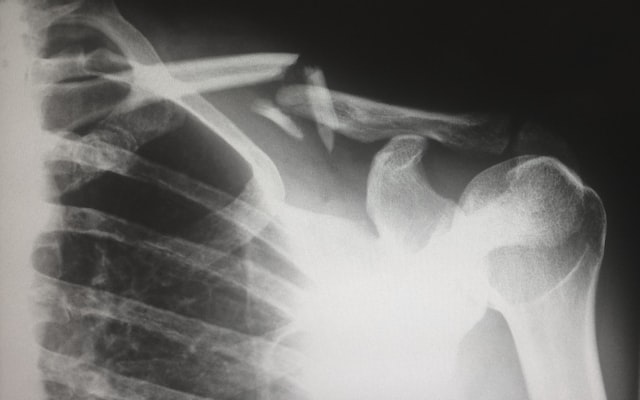
xray chart

The Internet of Things (IoT) has revolutionized the way we live our lives, from smart homes to wearable technology. In recent years, the healthcare industry has also seen a surge in the use of IoT devices, known as Medical IoT or mIoT. These devices have the potential to transform patient care, improve outcomes, and reduce healthcare costs.


Medical IoT refers to connected medical devices that collect and transmit data to healthcare providers. This data can include vital signs, medication adherence, and even sleep patterns. By tracking this information in real time, healthcare providers can monitor patients remotely and intervene when necessary.


Businesses are beginning to recognize the value of medical IoT for their employees as well. By providing wearable devices that track steps or heart rates, employers can incentivize healthy behaviours and reduce healthcare costs for themselves and their employees.


One example of medical IoT in action is remote patient monitoring. Patients with chronic conditions can use connected devices at home to track their symptoms and share data with their doctors. This allows for more personalized treatment plans and reduces the need for frequent trips to the doctor’s office.


Another application of medical IoT is telemedicine. With video conferencing technology and connected medical devices, doctors can consult with patients remotely. This is particularly useful in rural areas where access to specialists may be limited.


However, there are also concerns about privacy and security when it comes to medical IoT devices. As these devices collect sensitive health information, it’s important for businesses and healthcare providers to ensure that they’re using secure networks and encryption methods.


In conclusion, the intersection of medical IoT and businesses has enormous potential for improving patient care while also reducing healthcare costs for both patients and employers. As this technology continues to evolve, it’s important for all stakeholders involved to prioritize privacy and security measures.


Maximizing Patient Outcomes with Comprehensive Support Programs

patient talking to doctor on the bed

Introduction to Jonda’s Patient Support Programs


At Jonda, we understand the importance of providing comprehensive support to patients throughout their healthcare journey. That’s why we’ve developed a range of patient support programs designed to improve outcomes and enhance the overall patient experience. Our programs are tailored to meet the unique needs of each individual patient and are designed to provide education, emotional support, and access to resources that can help patients better understand and manage their condition.


The Importance of Patient Support in Healthcare


Patient support plays a critical role in healthcare, as it can greatly impact a patient’s ability to adhere to their treatment plan and ultimately achieve positive outcomes. Support can come in many forms, including education, emotional support, and access to resources. When patients feel supported, they are more likely to be engaged in their care and take an active role in managing their health. Research has shown that patients who receive support are more likely to adhere to their treatment plan, which can lead to improved outcomes and reduced healthcare costs.


How Jonda’s Programs Improve Patient Outcomes


Jonda’s patient support programs are designed to provide comprehensive support to patients, helping them to better understand and manage their condition. Our programs are tailored to meet the unique needs of each individual patient and include a range of services such as:


  • Education and training on managing chronic conditions
  • Emotional support and counselling
  • Access to financial assistance and other resources
  • Coordination with other healthcare providers -Medication management and adherence support


By providing patients with the education, resources, and support they need to better manage their condition, we can help improve adherence to treatment plans and ultimately, lead to better health outcomes.


Examples of Jonda’s Support Services


One example of our support services is our education and training program for patients with chronic conditions. This program provides patients with the knowledge and tools they need to effectively manage their condition, including information on how to properly take medications, how to recognize symptoms, and how to make lifestyle changes to improve their overall health.


Another example is our emotional support and counselling program. This program provides patients with access to trained counsellors who can help them cope with the emotional challenges that often come with chronic conditions. They provide emotional support, encouragement and guidance to patients throughout their healthcare journey.


We also provide access to financial assistance and other resources, like help with transportation, to help patients overcome any barriers that might prevent them from accessing the healthcare they need.


Conclusion: The Value of Investing in Patient Support Programs


Investing in patient support programs can lead to improved outcomes for patients and can ultimately save healthcare systems money in the long run. Jonda’s patient support programs are designed to provide comprehensive support to patients, helping them to better understand and manage their condition. This leads to improved adherence to treatment plans and ultimately, better health outcomes. At Jonda, we are committed to improving patient outcomes and enhancing the overall patient experience. We understand the importance of providing comprehensive support to patients throughout their healthcare journey, and we are committed to providing the support patients need to achieve positive outcomes.