
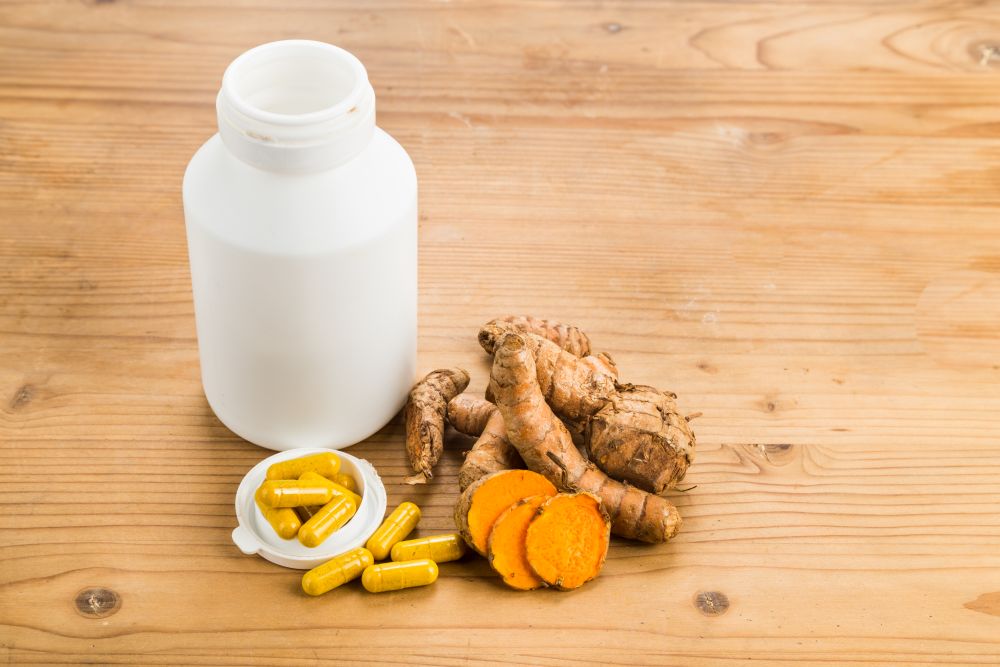
The remarkable surge in detox capsules across Singapore’s health and wellness landscape tells a compelling story about our collective pursuit of vitality in an increasingly demanding world. Walk through any shopping district in Orchard Road or browse the shelves of Guardian and Watsons, and you’ll encounter an almost bewildering array of cleansing supplements, each promising to restore balance to bodies burdened by urban living.
Yet beneath the glossy marketing and testimonials lies a more nuanced reality that deserves serious examination. As someone who has spent considerable time investigating health trends across Asia, I’ve observed how Singapore’s unique position as a wellness hub offers invaluable insights into the broader detoxification movement sweeping through developed nations.
The Science Behind Detoxification Supplements
The human body possesses a remarkably sophisticated detoxification system that operates continuously. Our liver, kidneys, lungs, and skin work in concert to eliminate toxins, metabolic waste, and environmental pollutants with impressive efficiency. This natural process has sustained humanity for millennia, yet proponents of cleansing supplements argue that modern life overwhelms these systems.
Singapore’s urban environment presents particular challenges that resonate with this argument. The city-state’s dense population, industrial activities, and Southeast Asian location expose residents to various environmental stressors. Air quality indices, whilst generally good by regional standards, still register concerning levels of particulate matter during certain periods.
Research from the National University of Singapore indicates that urban dwellers show higher concentrations of certain heavy metals in blood samples compared to rural populations. However, the crucial question remains: do detox supplements meaningfully address these concerns, or does our body’s natural detoxification capacity prove sufficient?
Singapore’s Wellness Market: A Case Study in Consumer Behaviour
The Singapore wellness market, valued at approximately S$1.8 billion according to recent industry reports, provides fascinating insights into consumer attitudes towards detoxification products. Local retailers report that cleansing supplements account for roughly 15% of total supplement sales, with growth rates consistently outpacing traditional vitamins and minerals.
This trend reflects broader demographic shifts. Singapore’s increasingly health-conscious population, combined with rising disposable incomes and growing awareness of preventive healthcare, creates fertile ground for wellness products. The government’s Healthier SG initiative, launched in 2023, has further amplified public interest in proactive health management.
The Marketing Machine: Promises Versus Reality
The detox supplement industry operates within a complex regulatory framework that varies significantly across jurisdictions. In Singapore, the Health Sciences Authority (HSA) maintains relatively strict oversight of health claims, yet the language used to promote these products often walks a careful line between suggestion and assertion.
Common marketing themes include:
-
“Supporting natural detoxification processes”
-
“Promoting liver health and function”
-
“Enhancing energy levels and mental clarity”
-
“Reducing bloating and digestive discomfort”
These carefully crafted messages tap into genuine concerns about modern lifestyle impacts whilst avoiding specific medical claims that would trigger regulatory scrutiny. The psychological appeal proves particularly powerful among Singapore’s time-pressed professionals, who often view supplements as convenient solutions to complex health challenges.
The Event Organiser’s Perspective: Wellness as Experience
For event organisers in Singapore’s thriving wellness sector, detox supplements represent more than mere products—they embody a lifestyle aspiration that resonates deeply with target audiences. Wellness retreats, corporate health programmes, and lifestyle exhibitions increasingly incorporate detoxification themes, reflecting consumer demand for comprehensive health experiences.
The experiential aspect proves crucial. Attendees seek not just information about cleansing capsules, but immersive experiences that connect them with broader wellness philosophies. This shift from product-focused to experience-centred marketing represents a significant evolution in how health supplements are positioned within Singapore’s competitive marketplace.
Navigating the Evidence: What Research Shows
Peer-reviewed research on detox supplements presents a mixed picture. Some studies suggest certain ingredients—such as milk thistle, dandelion root, and N-acetylcysteine—may support liver function under specific circumstances. However, the evidence base remains limited, with most studies focusing on individual compounds rather than complete supplement formulations.
Singapore’s medical community maintains a cautious stance. Dr. Sarah Chen, a hepatologist at Singapore General Hospital, notes that “whilst certain botanicals show promise in laboratory settings, the clinical evidence supporting commercial detox supplements remains insufficient for medical recommendations.”
This tension between consumer enthusiasm and scientific scepticism creates interesting dynamics for event organisers. Successful wellness events must balance audience expectations with responsible health messaging, ensuring that promotional content remains both engaging and ethically sound.
The Future of Detoxification: Personalisation and Integration
Singapore’s position as a Smart Nation offers unique opportunities for personalised wellness approaches. Emerging technologies, including wearable devices and health monitoring apps, enable more sophisticated tracking of individual health markers. This data-driven approach may eventually allow for more targeted detoxification strategies, moving beyond one-size-fits-all supplement protocols.
The integration of traditional Asian medicine with modern wellness practices also presents intriguing possibilities. Singapore’s multicultural heritage provides access to diverse healing traditions that view detoxification through different philosophical lenses, potentially offering more holistic approaches to cleansing and renewal.
Conclusion: Making Informed Choices in a Complex Market
The detox supplement phenomenon in Singapore reflects broader tensions between traditional health wisdom and modern marketing sophistication. Consumers navigate an increasingly complex landscape where legitimate health concerns intersect with commercial interests, requiring careful evaluation of both benefits and limitations.
For event organisers, this complexity presents both challenges and opportunities. Successful wellness events must acknowledge consumer interest while promoting informed decision-making and realistic expectations. The goal should be empowering individuals to make thoughtful choices about their health journey, whether that includes detox capsules or alternative approaches to wellness and vitality.