

Medical Contract Manufacturing: A Complete Guide

Hello there! I’m Dr. Lim Mei Ling, but around here, they call me the “Device Diva.” My journey into the world of medical contract manufacturing began with a childhood obsession with taking apart my toys and putting them back together. Who knew that disassembling my brother’s remote-controlled car would lead me to a career in creating life-saving medical devices? Now, I spend my days at AMT, Singapore’s premier medical contract manufacturer, where we turn innovative ideas into tangible products that improve and save lives.

The ABCs of Medical Contract Manufacturing

Imagine if you could take a brilliant medical idea and transform it into a fully-fledged, market-ready device without the hassle of setting up your own manufacturing facility. That’s exactly what we do at AMT! As a medical contract manufacturer, we’re the behind-the-scenes wizards who bring medical innovations to life.

What Does a Medical Contract Manufacturer Do?

  1. Design and Development: We take your napkin sketch and turn it into a fully-realized design.
  2. Prototyping: We create working models to test and refine the product.
  3. Manufacturing: We produce the devices in our state-of-the-art facilities.
  4. Quality Assurance: We ensure every device meets stringent medical standards.
  5. Packaging and Sterilization: We prepare the devices for safe distribution.
  6. Regulatory Support: We help navigate the complex world of medical device regulations.

Why Singapore is a Hub for Medical Contract Manufacturing

Singapore’s reputation as a global biomedical sciences hub isn’t just government hype – it’s the real deal! Here’s why AMT and other medical contract manufacturers thrive in our little red dot:

  1. World-Class Infrastructure: Our facilities are equipped with cutting-edge technology.
  2. Stringent Quality Standards: Singapore’s reputation for quality gives our products global credibility.
  3. Intellectual Property Protection: Your innovative ideas are safe with us.
  4. Strategic Location: We’re perfectly positioned to serve markets across Asia and beyond.

The AMT Advantage: Why We’re Leading the Medical Manufacturing Revolution

Now, you might be wondering, “Dr. Lim, what makes AMT stand out in the world of medical contract manufacturing?” Well, let me tell you, it’s not just our state-of-the-art clean rooms or our team of brilliant engineers (though those certainly help!).

Innovation is in Our DNA

At AMT, we’re not content with the status quo. We’re constantly exploring new manufacturing techniques and materials to push the boundaries of what’s possible in medical devices.

Quality is Our Middle Name

When you’re dealing with devices that can literally save lives, there’s no room for error. Our quality control processes are so rigorous, I sometimes joke that we’d reject a device if it was a nanometer off!

Sustainability Matters

As a medical contract manufacturer, we’re acutely aware of our responsibility to the environment. We’ve implemented green manufacturing processes that minimize waste and energy consumption.

The Future of Medical Contract Manufacturing: What’s Next?

As exciting as the current medical device landscape is, I believe we’ve only scratched the surface. At AMT, we’re exploring new frontiers, including:

– 3D-Printed Medical Devices: Customized implants and prosthetics tailored to individual patients.

– Smart Medical Devices: Internet-connected devices for real-time patient monitoring.

– Biodegradable Implants: Devices that do their job and then safely dissolve in the body.

Tips for Choosing the Right Medical Contract Manufacturer

If you’re an innovator with a brilliant medical device idea, here are some tips for choosing the right partner:

  1. Look for Experience: Choose a manufacturer with a proven track record in your specific type of device.
  2. Check Certifications: Ensure they meet international standards like ISO 13485.
  3. Assess Capabilities: Make sure they can handle all aspects of production, from design to distribution.
  4. Consider Location: A Singapore-based manufacturer like AMT offers advantages in quality and intellectual property protection.

Conclusion: Partnering for a Healthier Future

From my days of dismantling toys to now overseeing the creation of complex medical devices, I’ve learned that the most rewarding innovations are those that improve lives. As a medical contract manufacturer, AMT is proud to be a crucial link in the chain that brings these innovations to patients who need them.

So, the next time you or a loved one benefits from a medical device, remember that somewhere in Singapore, a team of dedicated professionals might have played a part in bringing that device to life. The future of healthcare is being manufactured right here, and at AMT, we’re excited to be at the forefront of this revolution. Here’s to a healthier, more innovative future for all!

 

Wellness Redefined: Unveiling the Best Physiotherapy Solutions in Singapore

best physiotherapy singapore

Physiotherapy is a vital component of healthcare that plays a crucial role in rehabilitation and injury prevention. Whether you’re recovering from a sports injury, managing chronic pain, or seeking to enhance your overall well-being, physiotherapy offers personalised care and effective treatment strategies. By focusing on restoring movement, reducing pain, and improving function, physiotherapy empowers individuals to regain independence and lead fulfilling lives.

Key Factors to Consider When Choosing the Best Physiotherapy in Singapore

Area of Specialisation: Finding Tailored Care

One of the key considerations when selecting a physiotherapist is their area of specialisation. Physiotherapists may have expertise in various fields, including sports injuries, orthopaedics, geriatrics, and neurology. By choosing a physiotherapist who specialises in your specific condition or needs, you can ensure that you receive tailored care and optimal outcomes. Whether you’re a professional athlete recovering from a sports injury or an elderly individual seeking mobility assistance, selecting a physiotherapist with relevant experience is essential.

Treatment Methods: Exploring Diverse Approaches

Physiotherapy encompasses a wide range of treatment methods, each tailored to address different needs and conditions. Traditional approaches such as exercise therapy, manual therapy, and electrotherapy are commonly used to improve mobility, alleviate pain, and promote healing. Additionally, many physiotherapy clinics offer alternative therapies such as acupuncture, dry needling, and hydrotherapy to complement conventional treatments. By exploring diverse treatment options, individuals can find the approach that best suits their preferences and goals.

Qualifications and Accreditation: Ensuring Professional Standards

When seeking physiotherapy services, it’s crucial to verify the qualifications and accreditation of the physiotherapist. In Singapore, physiotherapists are required to complete a degree programme and register with the Allied Health Professions Council (AHPC). Additionally, certifications from reputable organisations and memberships in professional associations demonstrate a commitment to excellence and ongoing professional development. By choosing a qualified and accredited physiotherapist, individuals can trust in the quality of care and adherence to industry standards.

Availability and Accessibility: Prompt Relief and Convenience

Prompt access to physiotherapy services is essential, particularly for individuals experiencing pain or discomfort. When selecting a physiotherapy clinic, consider factors such as appointment availability, wait times, and location. Choosing a clinic with convenient scheduling options and accessible facilities ensures timely access to treatment and continuity of care. Whether you require regular rehabilitation sessions or occasional maintenance visits, prioritising availability and accessibility enhances the overall experience of physiotherapy.

Clinic Location: Convenience for Regular Visits

The location of the physiotherapy clinic is an important consideration for individuals seeking regular treatment or rehabilitation sessions. Opting for a clinic that is conveniently located near your home or workplace reduces travel time and logistical challenges. Additionally, proximity to public transportation and availability of parking facilities contribute to the convenience of accessing physiotherapy services. By choosing a clinic with a strategic location, individuals can easily incorporate physiotherapy into their routine and maintain consistency in their treatment plan.

Cost Considerations: Understanding Financial Aspects

While the cost of physiotherapy services in Singapore may vary depending on factors such as clinic reputation, location, and treatment complexity, it’s essential to have a clear understanding of the financial aspect. Inquire about the cost of treatment during your initial consultation and discuss payment options, insurance coverage, and subsidies that may be available. Some clinics offer package deals or discounted rates for multiple sessions, providing cost-effective solutions for ongoing care. By understanding the financial implications of physiotherapy, individuals can make informed decisions and budget accordingly.

Recommendations and Reviews: Trusting Experiences of Others

Word-of-mouth recommendations and online reviews are valuable sources of information when choosing a physiotherapy clinic. Seek feedback from friends, family, or healthcare professionals who have experience with physiotherapy services in Singapore. Additionally, browse online platforms and review websites to read testimonials and ratings from previous patients. Positive experiences and testimonials can instil confidence in the expertise and quality of care offered by a physiotherapy clinic. By trusting the experiences of others, individuals can make informed decisions and select a reputable provider for their healthcare needs.

Personal Connection: Establishing Trust and Rapport

Establishing a strong rapport and trust with your physiotherapist is essential for effective treatment and a positive experience. During your initial consultation, observe how the physiotherapist communicates, listens to your concerns, and explains the proposed treatment plan. A physiotherapist who takes the time to understand your goals, provides personalised care, and fosters open dialogue contributes to a supportive and collaborative treatment environment. By prioritising a personal connection with your physiotherapist, you can enhance the effectiveness of your rehabilitation journey and achieve optimal outcomes.

Holistic Approach: Comprehensive Care for Optimal Results

Opting for a physiotherapy clinic that embraces a holistic approach to care can maximise treatment outcomes and overall well-being. Look for clinics that have a multidisciplinary team of healthcare professionals, including physiotherapists, occupational therapists, and sports medicine specialists. This collaborative approach ensures that all aspects of your condition are addressed, leading to comprehensive and personalised treatment plans. Additionally, consider clinics that offer complementary services such as nutrition counselling, ergonomic assessments, and mental health support to enhance your holistic wellness journey.

Trusted Providers: Highlighting Leading Clinics like Core Fitness

When it comes to choosing the best physiotherapy Singapore, trusted providers like Core Fitness stand out as premier options. With a reputation for excellence and a team of experienced physiotherapists, Core Fitness offers comprehensive and personalised care for individuals of all ages and fitness levels. Their commitment to professional standards, innovative treatment techniques, and patient-centric approach sets them apart as leaders in the field of physiotherapy. Whether you’re recovering from an injury, managing a chronic condition, or striving for peak performance, Core Fitness is dedicated to helping you achieve your health and wellness goals.

Exploring the Best Physiotherapy Clinics in Singapore

Singapore is home to a diverse range of physiotherapy clinics, each offering unique services and expertise. From established institutions to boutique practices, individuals have access to a wealth of options for their healthcare needs. Explore top physiotherapy clinics in Singapore known for their exceptional quality of care, state-of-the-art facilities, and commitment to patient satisfaction. Whether you’re seeking rehabilitation, injury prevention, or performance enhancement, these leading clinics are trusted providers of physiotherapy services in Singapore.

Empowering Health and Wellness Through Physiotherapy

Physiotherapy is more than just a treatment—it’s a journey towards better health and wellness. By prioritising personalised care, evidence-based practices, and holistic approaches, physiotherapists in Singapore empower individuals to overcome challenges, achieve their goals, and live life to the fullest. Whether you’re recovering from an injury, managing a chronic condition, or striving for peak performance, physiotherapy offers a path to optimal health

Guide if You Are Considering ENT-Related Nose Surgery

The nose plays a central role in our well-being.  Beyond its aesthetic function, it filters air, regulates temperature, and contributes to our sense of smell. However, various issues can arise that impact nasal function and appearance, leading to difficulty breathing, discomfort, and self-consciousness. In such cases, ENT-related nose surgery, also known as rhinoplasty, offers a valuable solution.

What is ENT-Related Nose Surgery?

ENT-related nose surgery, performed by an Ear, Nose, and Throat (ENT) specialist or a facial plastic surgeon with expertise in rhinoplasty, is a surgical procedure designed to address both functional and cosmetic concerns related to the nose.

The Spectrum of Issues Addressed by ENT Nose Surgery

ENT nose surgery tackles a wide range of issues:

Functional Concerns:

Septal Deviation: A misaligned nasal septum obstructs airflow, causing difficulty breathing, facial pressure, and recurrent sinus infections. Surgery can correct the septum for improved breathing.

Nasal Valve Collapse: Weak nasal valves make inhaling difficult, especially during exercise. Surgical techniques can strengthen and support the valves.

Enlarged Turbinates: Chronic inflammation or enlargement of these structures inside the nose that warm and humidify air can obstruct airflow. Surgery can reduce their size for better breathing.

Nasal Polyps: Non-cancerous growths in the nasal cavity can obstruct drainage and contribute to sinusitis. Surgery can remove polyps and improve drainage.

Cosmetic Concerns: Rhinoplasty can address concerns about the appearance of the nose, such as a hump, a wide bridge, or an overly large tip.

Benefits of Opting for ENT Nose Surgery

Several advantages motivate individuals to consider ENT nose surgery:

Improved Breathing: Functional rhinoplasty can significantly improve breathing difficulty caused by a deviated septum, nasal valve collapse, or enlarged turbinates. This can lead to better sleep, increased exercise tolerance, and an overall enhanced quality of life.

Reduced Sinusitis: By addressing nasal drainage issues caused by a deviated septum or nasal polyps, surgery can minimize the frequency and severity of sinus infections.

Enhanced Confidence: Rhinoplasty can address aesthetic concerns about the nose, leading to a more balanced facial appearance and a boost in self-confidence.

Combined Benefits: Septorhinoplasty combines correcting a deviated septum with addressing aesthetic concerns, offering a comprehensive solution.

Finding the Right ENT Clinic for Your Nose Surgery

Choosing the right ENT clinic for your nose surgery is crucial for achieving optimal outcomes:

Qualifications and Experience: Focus on ENT clinics with surgeons who are board-certified otolaryngologists or facial plastic surgeons with extensive experience in your specific nasal condition and rhinoplasty procedures. Research their background, training, and qualifications.

Hospital Affiliations: Consider if having surgery at a specific hospital is important due to personal preference or insurance coverage. Verify if the chosen ENT clinic has admitting privileges at your preferred hospital.

Technology and Facilities: Modern ENT clinics utilize advanced technology like 3D imaging and computer simulations to facilitate precise surgical planning and patient education.

Patient Reviews and Before-and-After Photos: Read online reviews from previous patients to gain insight into their experiences at the clinic. Look at the surgeon’s portfolio of before-and-after photos to assess their aesthetic results and ensure they align with your expectations.

Communication and Transparency: During consultations, discuss your goals and concerns openly with the surgeon. Choose a clinic where the staff prioritizes clear communication and addresses your questions effectively.

Important Considerations: Potential Health Risks of ENT Nose Surgery

While ENT nose surgery is generally safe when performed by a qualified ENT specialist, every surgery carries some potential risks. Here are some health issues to be aware of:

Infection: Like any surgery, there’s a risk of infection at the surgical site. Rigorous post-operative care instructions from the ENT clinic are crucial to minimize this risk.

Bleeding: Minor bleeding is expected after surgery. However, significant bleeding can occur in rare cases. The ENT specialist will monitor you for this and take necessary actions.

Breathing Difficulties: Temporary difficulty breathing due to swelling after nose surgery is common. In rare cases, persistent breathing problems can occur due to scar tissue formation or other complications.

Anesthesia Risks: General anesthesia used during surgery carries its own set of potential risks. Your anesthesiologist will discuss these with you in detail before surgery.

Numbness or Loss of Smell: Temporary numbness around the nose is common after surgery. In rare cases, permanent loss of sensation or smell may occur.

Conclusion

ENT-related nose surgery, when performed by a qualified specialist at a reputable ENT clinic, can be a life-changing experience. By addressing both functional and aesthetic concerns, it can help you breathe easier, improve your overall well-being, and boost self-confidence. Remember, thorough research, open communication with your chosen ENT specialist, and realistic expectations are crucial for achieving a successful outcome. Don’t hesitate to prioritize your health and well-being; schedule a consultation with a qualified ENT clinic today and explore the possibilities of ENT nose surgery for a brighter future.


Guide to ENT-Related Nose Surgery in Singapore

The nose plays a crucial role in our health and well-being. It filters air, regulates temperature, and contributes to our sense of smell. However, various conditions can affect nasal function and aesthetics, impacting breathing, comfort, and self-confidence. In such cases, ENT-related nose surgery, also known as rhinoplasty, can offer a valuable solution.

What is ENT-Related Nose Surgery?

ENT-related nose surgery, performed by an Ear, Nose, and Throat (ENT) specialist or a facial plastic surgeon with expertise in rhinoplasty, is a surgical procedure designed to address both functional and cosmetic concerns related to the nose.

When is ENT Nose Surgery Necessary?

Several health issues can necessitate ENT nose surgery:

Functional Rhinoplasty: Septal Deviation: A misaligned nasal septum can obstruct airflow, leading to difficulty breathing, facial pressure, and recurrent sinus infections. Surgery can correct the septum for improved breathing.

Nasal Valve Collapse: Weak nasal valves can cause difficulty inhaling, especially during exercise. Surgical techniques can be employed to strengthen and support the valves.

Enlarged Turbinates: Chronic inflammation or enlargement of the turbinates (structures inside the nose that warm and humidify air) can obstruct airflow. Surgery can reduce their size for better breathing.

Nasal Polyps: Non-cancerous growths in the nasal cavity can obstruct drainage and contribute to sinusitis. Surgery can remove polyps and improve drainage.

Rhinoplasty for Aesthetics: This addresses concerns about the appearance of the nose, such as a hump, a wide bridge, or an overly large tip.

The Process of ENT Nose Surgery

The specific procedure for ENT nose surgery will depend on the underlying issue being addressed. Here’s a general breakdown:

Pre-operative Consultation: Your ENT specialist will discuss your concerns, medical history, and expectations in detail. A physical examination and potentially imaging tests like X-rays or CT scans might be performed.

Anesthesia: General anesthesia is typically used for ENT nose surgery, ensuring you are completely unconscious and comfortable throughout the procedure.

Surgical Techniques: Depending on the condition, different techniques might be employed. In open rhinoplasty, an incision is made on the columella (the tissue separating the nostrils) to access the nasal structures. In closed rhinoplasty, incisions are made inside the nose, leaving no visible external scars.

Recovery: Following surgery, you might experience some swelling, bruising, and nasal congestion. You’ll receive detailed post-operative instructions on pain management, wound care, and activity restrictions.

Benefits of Consulting a Nose Specialist in Singapore

Choosing an ENT specialist or a facial plastic surgeon with expertise in rhinoplasty offers several advantages:

Expertise: They possess specialized training and experience in nasal anatomy and surgical techniques, ensuring accurate diagnosis and effective treatment.

Comprehensive Care: They can address both functional and cosmetic concerns related to the nose, offering a one-stop solution.

Advanced Technology: Many ENT clinics in Singapore utilize advanced technology for precise surgery and optimal outcomes.

Improved Quality of Life: Effective nasal surgery can significantly improve breathing, reduce sinusitis, and boost self-confidence.

Types of Nose Surgery to Address Different Issues

Here’s an overview of different types of ENT nose surgery:

Septoplasty: This surgery corrects a deviated septum to improve airflow and alleviate breathing difficulties.

Turbinoplasty: This procedure reduces the size of enlarged turbinates to improve airflow and address congestion.

Nasal Polypectomy: This surgery removes nasal polyps to improve drainage and alleviate sinusitis symptoms.

Rhinoplasty with Septoplasty: This combines correcting both a deviated septum and aesthetic concerns for improved breathing and appearance.

Tip Rhinoplasty: This surgery focuses on reshaping the nasal tip for a more refined aesthetic appearance.

Open Rhinoplasty: This technique uses an external incision on the columella for more extensive structural modifications.

Closed Rhinoplasty: This approach minimizes scarring with incisions made inside the nose for adjustments to the nasal bridge or tip.

Choosing the Right ENT Specialist for Your Nose Surgery in Singapore

Finding the right specialist for your ENT nose surgery requires careful consideration:

Qualifications and Experience: Look for a board-certified ENT specialist or facial plastic surgeon with extensive experience in your specific nasal condition and rhinoplasty procedures.

Hospital Affiliations: Consider if admitting privileges at a specific hospital are important for you.

Before-and-After Photos: Review the surgeon’s portfolio to assess their aesthetic results and ensure they align with your expectations.

Conclusion

ENT-related nose surgery in Singapore, performed by a qualified ENT specialist or facial plastic surgeon, can be a life-changing experience. By addressing both functional and aesthetic concerns, it can help you breathe easier, improve your overall well-being, and boost self-confidence. Remember, thorough research, open communication with your chosen specialist, and realistic expectations are crucial for achieving a successful outcome. Don’t hesitate to prioritize your health and well-being; schedule a consultation with a qualified ENT specialist in Singapore today and explore the possibilities of ENT nose surgery for a brighter future.

A Guide to Sinus Surgery in SG When Medication Is Not Enough

Sinus problems, characterized by inflammation and congestion in the sinus cavities, can significantly impact your daily life. While medication often provides relief, in some cases, a sinus operation becomes necessary to restore proper drainage and alleviate persistent symptoms.

Understanding Different Types of Sinus Issues

The sinuses are air-filled cavities located around the face and behind the eyes. When healthy, they produce mucus that helps trap dust and germs, keeping them from entering the lungs. However, various factors can cause inflammation of the sinus lining, leading to a blockage that traps mucus and creates a breeding ground for bacteria. This results in a spectrum of sinus issues:

Acute Sinusitis: A short-term infection of the sinuses that typically lasts less than 8 weeks and responds well to medication.

Chronic Sinusitis: Inflammation lasting longer than 12 weeks, characterized by persistent congestion, facial pressure, headaches, and postnasal drip.

Allergic Rhinitis: Hay fever causing inflammation in the nasal passages, often accompanied by sinus congestion, sneezing, and itchy eyes.

Sinus Polyps: Non-cancerous growths in the lining of the sinuses that can obstruct drainage and worsen symptoms.

Septal Deviation: A misaligned nasal septum that can obstruct airflow and contribute to sinus problems.

Nasal Vestibular Stenosis: Narrowing of the nasal openings that can lead to difficulty breathing.

Signs You Might Need a Sinus Operation

While medication and lifestyle modifications are often the first line of defense against sinus issues, some signs indicate the need for a sinus operation:

Persistent Symptoms: Despite medication, your symptoms persist for more than 12 weeks, significantly impacting your daily life.

Antibiotic Resistance: Bacterial infections don’t respond to antibiotic treatment, suggesting a blockage preventing medication from reaching the affected area.

Facial Pain and Pressure: Severe and persistent facial pain or pressure that medication fails to alleviate.

Nasal Polyps: Large polyps that obstruct sinus drainage and cause difficulty breathing.

Loss of Smell or Taste: Severe sinus issues can sometimes lead to a diminished sense of smell or taste.

Complications: In rare cases, severe sinusitis can lead to complications like eye problems or bone infections, necessitating surgery.

How Does a Sinus Operation Work?

There are several types of sinus surgery, each suited to address specific sinus issues. Here’s an overview of the most common procedures:

Functional Endoscopic Sinus Surgery (FESS): This minimally invasive procedure uses an endoscope (a thin, flexible instrument with a camera) to visualize the sinuses. Tiny surgical instruments are then inserted through the nostrils to remove blockages, widen sinus openings, and improve drainage.

Balloon Sinuplasty: A small balloon catheter is inserted into the blocked sinus opening and inflated to widen the passage and improve drainage.

Image-Guided Surgery: Advanced computer technology guides surgeons during complex procedures, ensuring precise navigation within the sinus cavities.

Open Approach Surgery: In rare cases, a traditional surgical approach through an external incision might be necessary for severe sinus issues or complications.

What to Expect After Sinus Operation?

After sinus surgery, you can expect the following:

Recovery Time: Recovery time varies depending on the type of surgery performed. Typically, it takes 1-2 weeks to return to normal activities, with some lingering discomfort like nasal congestion and swelling for a few weeks.

Post-operative Care: Your ENT specialist will provide specific instructions on post-operative care, including pain management, nasal saline irrigation, and medication.

Follow-up Appointments: Regular follow-up appointments are crucial to monitor healing, address any complications, and ensure optimal results.

Benefits of Seeking Professional Treatment for Sinus Issues

Ignoring chronic sinus problems can lead to complications. Here’s why seeking professional treatment and considering operation, if necessary, is crucial:

Improved Quality of Life: Effective treatment can significantly improve your quality of life by alleviating persistent symptoms and allowing you to breathe easier.

Reduced Risk of Complications: Early intervention can prevent complications like facial infections or eye problems.

Better Sleep: Chronic sinus issues can disrupt sleep patterns. Addressing the underlying problem can lead to better sleep quality.

Enhanced Sense of Smell and Taste: Severe sinus problems can affect your sense of smell and taste. Surgery can help restore these senses.

Increased Productivity: Chronic sinus issues can impact your focus and productivity. Effective treatment can help you be more productive at work and in daily life.

Things to Consider Before Opting for a Sinus Operation

Discuss All Options with Your ENT Specialist: Thoroughly discuss all treatment options with your ENT specialist, including medication, lifestyle modifications, and minimally invasive procedures like balloon sinuplasty. Surgery should be considered after exhausting other options.

Understand the Risks and Potential Side Effects: No surgery is without risks. Discuss the potential side effects of sinus surgery with your ENT specialist, such as bleeding, infection, and temporary changes in sense of smell or taste.

Be Realistic About Expectations: Sinus operation aims to improve drainage and alleviate symptoms, but it may not completely eliminate them. Discuss realistic expectations for post-operative outcomes with your doctor.

Choose a Qualified ENT Specialist: Experience and expertise are crucial. Opt for a board-certified ENT specialist with a proven track record in successfully performing sinus surgeries.

Manage Your Overall Health: Maintaining a healthy lifestyle with adequate sleep, managing stress, and avoiding irritants like smoke and allergens can contribute to a successful recovery and reduce the risk of future sinus issues.

Conclusion

Sinus surgery can be a valuable tool in managing chronic sinus problems and improving your quality of life. By understanding the different types of sinus issues, recognizing the signs that surgery might be necessary, and carefully considering all aspects before proceeding, you can make an informed decision about your health. Remember, open communication with your ENT specialist is key to achieving optimal outcomes and breathing easier.

Guide to ENT Specialists in Singapore to Keep You Healthy

The ear, nose, and throat (ENT) are interconnected, forming a complex system crucial for various functions like hearing, breathing, communication, and taste. When problems arise within this intricate system, consulting an ENT specialist becomes essential.

Who is an ENT Specialist?

An ENT specialist, also known as an otolaryngologist, is a medical doctor who has undergone specialized training in diagnosing and treating diseases and disorders of the ear, nose, and throat, as well as the head and neck. This includes the structures involved in hearing, balance, voice, swallowing, and facial aesthetics.

How Does an ENT Clinic Work in Singapore?

An ENT clinic in Singapore typically operates similarly to other specialist clinics. Here’s a general breakdown of the process:

Consultation: During your initial consultation, the ENT specialist will discuss your symptoms in detail, including their duration and severity. They might perform a physical examination of your ears, nose, and throat, and may use specialized instruments for better visualization.

Diagnosis: Based on your symptoms and the physical examination, the ENT specialist will arrive at a diagnosis. This may involve additional tests like audiometry (hearing test), laryngoscopy (examination of the vocal cords), or nasal endoscopy (examination of the nasal cavity).

Treatment Plan: Once a diagnosis is established, the ENT specialist will discuss the available treatment options with you. This might involve medication, minimally invasive procedures, or surgery depending on the nature and severity of your condition.

Follow-up Care: Depending on your treatment plan, you might need follow-up appointments to monitor progress or receive additional treatment adjustments.

Do ENT Specialists in Singapore Accept Insurance?

Many ENT specialists in Singapore participate in various insurance panels offered by private insurers and MediShield Life (Singapore’s national health insurance scheme). However, it’s crucial to check with the specific clinic and your insurance provider beforehand to confirm coverage and potential out-of-pocket costs.

Benefits of Seeking Treatment from an ENT Specialist

Consulting an ENT specialist offers numerous benefits:

Expertise: ENT specialists have the specialized knowledge, skills, and experience to diagnose and treat a wide range of ear, nose, and throat conditions effectively.

Advanced Technology: ENT clinics are equipped with advanced diagnostic tools and technology to accurately assess your condition and guide treatment decisions.

Comprehensive Care: ENT specialists can manage a broad spectrum of conditions, from common allergies and infections to complex head and neck tumors.

Minimally Invasive Procedures: Many ENT procedures today are minimally invasive, offering faster recovery times and reduced discomfort.

Improved Quality of Life: Effective treatment from an ENT specialist can significantly improve your quality of life by alleviating symptoms that affect hearing, breathing, speech, and swallowing.

Signs You Need to See an ENT Specialist

Here are some signs that might indicate the need to consult an ENT specialist:

Ear

  • Persistent earaches
  • Hearing loss or difficulty understanding speech
  • Ringing in the ears (tinnitus)
  • Frequent ear infections
  • Drainage from the ear
  • Dizziness or vertigo
  • Difficulty with balance

Nose

  • Chronic sinus congestion
  • Frequent nosebleeds
  • Difficulty breathing through the nose
  • Loss of smell or taste
  • Facial pain or pressure
  • Runny or stuffy nose

Throat

  • Sore throat that lasts more than a week
  • Difficulty swallowing
  • Hoarseness or changes in voice
  • Persistent cough
  • Lumps or growths in the neck
  • Difficulty breathing

What Can Go Wrong if You Don’t Seek Medical Advice Immediately?

Ignoring symptoms related to your ears, nose, and throat can lead to complications:

Untreated infections: Ear infections can spread to surrounding structures if left untreated, potentially affecting hearing or facial nerves.

Hearing loss: Delaying treatment for hearing loss can make it more challenging to reverse damage.

Chronic sinusitis: Neglected sinusitis can lead to complications like facial pain, headaches, and even vision problems.

Voice problems: Untreated voice issues can cause permanent damage to vocal cords.

Spread of cancer: Delaying diagnosis of head and neck cancers can significantly impact treatment options and outcomes.

Choosing the Right ENT Specialist in Singapore

Finding the right ENT specialist for you involves several factors:

Qualifications and Experience: Look for a board-certified otolaryngologist with experience in treating your specific condition.

Location and Accessibility: Choose a clinic conveniently located and with operating hours that suit your schedule.

Hospital Affiliations: Consider if admitting privileges at a specific hospital are important for your needs.

Communication Style: Ensure you feel comfortable discussing your concerns openly with the ENT specialist. Choose someone who explains things clearly and addresses your questions effectively.

Patient Reviews and Recommendations: Read online reviews or ask for recommendations from your primary care physician to get a sense of other patients’ experiences.

Insurance Coverage: Verify if the ENT specialist participates in your insurance panel to minimize out-of-pocket expenses.

Additional Tips

Prepare for Your Consultation: Make a list of your symptoms, including duration and severity. Note down any medications you’re currently taking.

Ask Questions: Don’t hesitate to ask detailed questions about your diagnosis, treatment options, and potential side effects.

Follow Treatment Instructions Carefully: Adhering to your treatment plan is crucial for optimal recovery.

Schedule Follow-up Appointments: Attend all scheduled follow-up appointments to monitor progress and adjust treatment if necessary.

By following these guidelines, you can confidently choose an ENT specialist in Singapore who meets your individual needs and ensures the optimal health of your ears, nose, and throat. Remember, early diagnosis and proper treatment are key to preventing complications and maintaining a good quality of life.

Ear Specialist in Singapore – Types of Treatments Available

Hearing is a vital sense that connects us to the world. It allows us to communicate, enjoy music, and stay alert to our surroundings. However, when issues arise affecting our ears, seeking professional help from an ear specialist becomes paramount. In Singapore, ear specialists or otolaryngologists are highly trained professionals who dedicate their practice to diagnosing, treating, and managing conditions related to the ears, nose, and throat (ENT). This article delves into what an ear specialist does, the variety of issues they treat, the importance of not delaying treatments, the process of consulting with an ear specialist, and the care required after receiving cochlear implants.

What is an Ear Specialist?

An ear specialist, often referred to as an otolaryngologist or simply ENT doctor, specializes in the medical and surgical management of conditions affecting the ear, nose, and throat. Their training encompasses a broad range of skills to address diseases and disorders in these interconnected areas, including related aspects of the head and neck. According to sources such as the Cleveland Clinic and WebMD, otolaryngology is a medical discipline that requires extensive training to master the complexities of the ear and adjacent structures.

Types of Issues Treated by Ear Specialists

Ear specialists in Singapore deal with a wide array of conditions ranging from minor to severe. These include:

Hearing Loss: This can be due to various reasons, including aging, exposure to loud noise, infections, and congenital disabilities.

Ear Infections: Common in children but also affecting adults, ear infections can lead to pain and temporary hearing loss.

Tinnitus: Characterized by ringing or buzzing in the ears, tinnitus can significantly affect a person’s quality of life.

Balance Disorders: Issues like vertigo can disrupt a person’s balance, making daily activities challenging.

Ear Trauma: Physical damage to the ear or head can lead to complex ear problems.

Why You Shouldn’t Delay Treatment

Delaying treatment for ear-related issues can lead to worsening symptoms and potentially irreversible conditions. For instance, untreated chronic ear infections can lead to hearing loss, while ignoring symptoms of balance disorders can increase the risk of falls and injuries. Early intervention by an ear specialist can prevent complications, provide relief, and significantly improve the quality of life.

Consulting an Ear Specialist in Singapore

If you’re experiencing ear-related issues, the first step is to consult a general practitioner who can then refer you to an ear specialist if needed. Singapore boasts a robust healthcare system with both public and private sectors where you can find highly qualified ear specialists. During the consultation, the ear specialist in Singapore will conduct a thorough examination, which may include hearing tests and imaging studies, to diagnose the condition accurately.

Treatment and Care After Cochlear Implants

Cochlear implants are advanced medical devices that can restore hearing in individuals with severe hearing loss. The care following cochlear implant surgery is crucial for the success of the treatment. Post-surgery care involves:

Follow-up Visits: Regular check-ups are essential to monitor healing and adjust the device.

Rehabilitation: Patients will undergo auditory rehabilitation to adapt to the implant and improve their hearing skills.

Maintenance: Proper care and maintenance of the device are critical to ensure its longevity and functionality.

In conclusion, ear specialists in Singapore play a crucial role in diagnosing and treating various ear-related conditions. Their expertise is invaluable in managing complex issues, from hearing loss to balance disorders. Ignoring symptoms and delaying treatment can lead to severe consequences, underscoring the importance of seeking timely medical intervention. With advancements in medical technology, such as cochlear implants, there is hope for individuals with significant hearing impairments to regain their hearing and improve their quality of life. Remember, your ears connect you to the world, so take good care of them and consult an ear specialist if you experience any issues.

Harnessing the Power of Herbs: TCM Cold Remedies for Your Little Ones

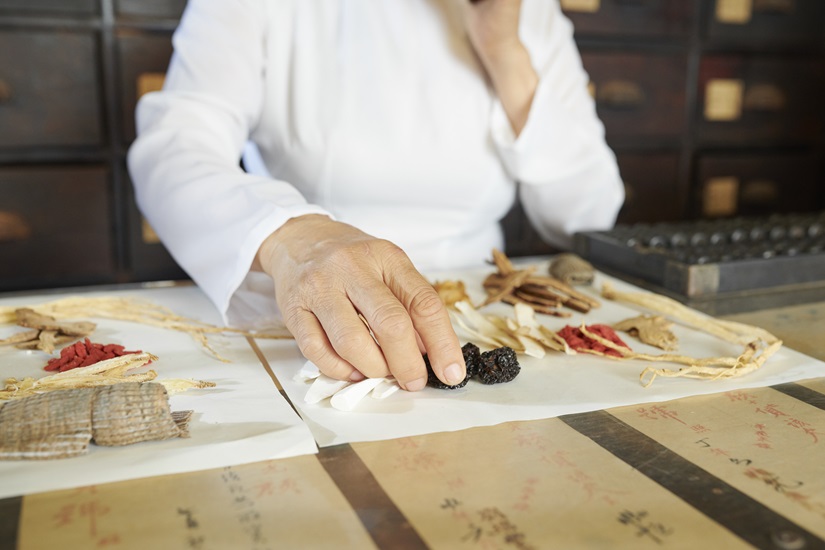
Close-up image of Chinese pharmacy worker choosing dry berries and mushrooms for customer

Hello, dear ones. This is your friendly neighbourhood Chinese grandmother, speaking in the voice of a modern-day Addison Montgomery. Today, let’s delve into the world of traditional Chinese medicine (TCM), particularly focusing on TCM cold remedies for children.

The Magic of TCM

Traditional Chinese Medicine, or TCM as it is often abbreviated, has been a cornerstone of health and wellness in our culture for thousands of years. It’s an intricate system of holistic healing that focuses on balance, harmony, and energy flow. In Singapore, we’re fortunate to have this ancient wisdom at our fingertips, ready to be harnessed for the health of our little ones.

The Power of Herbs

In the TCM philosophy, herbs play a vital role. They’re nature’s pharmacy, offering a myriad of healing properties. When it comes to TCM cold remedies for children, these herbs are akin to superheroes, each with its unique power to fight off the ‘bad guys’ that cause the common cold.

TCM Cold Remedies for Children

Now, let’s talk about specific herbs and their roles in TCM cold remedies.

  1. Ginger: Known as sheng jiang in Chinese, ginger is a warming herb used to expel cold and wind from the body. Its antiviral properties can help alleviate symptoms like chills and fever. A simple ginger tea can do wonders for a child battling a cold.
  2. Cinnamon: Gui zhi, or cinnamon twig, is another warming herb. It’s used to warm the channels and dispel cold. Cinnamon can be added to food or made into a soothing tea.
  3. Peppermint: Bo he, or peppermint, is used to clear heat and soothe a sore throat. Peppermint tea can be a comforting remedy for children with a cold.
  4. Licorice Root: Gan cao, or licorice root, is often used in TCM for its harmonizing effect. It can help soothe a sore throat and calm a cough.

Remember, these herbs should be used under the guidance of a TCM practitioner to ensure they’re safe and appropriate for your child’s condition.

Prevention is Key

As with any health issue, prevention is better than cure. In TCM, this means maintaining a balance of Yin and Yang energy in our bodies. Encourage your kids to eat a balanced diet, get regular exercise, and ensure they get plenty of rest. These simple measures can go a long way in preventing colds.

A Grandmother’s Heart

As a grandmother, my heart aches whenever I see a child suffering from a cold. But I also know that we have a wealth of wisdom in our TCM heritage to help them. It’s about understanding our bodies, listening to them, and nurturing them with nature’s gifts.

Wrapping Up

So, dear ones, the next time your little one catches a cold, consider harnessing the power of herbs with TCM cold remedies. They offer a gentle yet effective approach to healing, rooted in thousands of years of wisdom. And remember, we’re fortunate to be in Singapore, where TCM is readily available and widely accepted.

In the words of Addison Montgomery, “We do not get unlimited chances to have the things we want.” So let’s seize this chance to give our children the best – the gift of health through the wisdom of TCM.

Alleviating Stress and Anxiety in Retirement with Chinese Herbs

Retirement is often seen as a time to relax and enjoy the fruits of one’s labor. However, retirees also experience stress and anxiety for various reasons, such as financial concerns, health issues, or adapting to a new lifestyle. It’s crucial for retirees to find ways to reduce stress and anxiety levels to maintain their overall well-being. One natural approach that has gained popularity is the use of Traditional Chinese Medicine (TCM) and Chinese herbs for stress and anxiety relief. In this blog post, we will discuss the benefits of using Chinese herbs to alleviate stress and anxiety for retirees, and how TCM can be used in conjunction with other activities to promote relaxation and overall wellness.


The Reality of Stress and Anxiety in Retirement

While retirement is supposed to be a carefree period in life, many retirees still face challenges that can cause stress and anxiety. Financial worries, health problems, and the loss of social connections from the workplace are just a few factors that can contribute to these feelings. Moreover, transitioning from a structured work environment to a more relaxed lifestyle can be difficult for some individuals, leading to increased stress levels.


The Importance of Reducing Stress and Anxiety for Retirees

It’s essential for retirees to address their stress and anxiety levels, as chronic stress can have detrimental effects on both physical and mental health. Prolonged stress can contribute to high blood pressure, heart disease, diabetes, and a weakened immune system. Furthermore, it can exacerbate existing mental health issues or lead to the development of new ones, such as depression and anxiety disorders.


Chinese Herbs for Stress and Anxiety Relief

Some commonly used herbs in Traditional Chinese Medicine for stress and anxiety relief include ginseng, jujube seeds, and polygala root. Ginseng is known for its adaptogenic properties, which can help the body adapt to stress and improve overall well-being. It is typically consumed as a tea, capsule, or powdered supplement. However, retirees should be cautious when using ginseng, as it may interact with certain medications like blood thinners and diabetic treatments. Always consult with a healthcare professional before adding ginseng to your routine.

Folks, let me tell you about these fantastic jujube seeds. They’re terrific for calming the nervous system and treating things like insomnia and anxiety. You can have them as a tea, tincture, or even in capsule form. Now, I have to say, jujube seeds are generally safe for most people, but some might experience digestive discomfort or an allergic reaction. So, retirees should start with a small dosage and see how their body responds before increasing the amount.

Now, let’s talk about polygala root. It’s incredible for calming the mind, relieving anxiety, and improving sleep quality. You can take it as a tea, powder, or in capsule form. But, retirees need to be aware that polygala root may cause some mild side effects like dizziness or gastrointestinal issues for some people. So, just like with anything new, it’s essential to consult with a healthcare professional or a licensed TCM practitioner before incorporating polygala root into your daily routine. Trust me; you’ll want to do that.

In summary, while these Chinese herbs can offer significant benefits in managing stress and anxiety for retirees, it is vital to be aware of potential side effects and interactions with medications. Always consult with a healthcare professional or TCM practitioner before incorporating any new herbs into your routine to ensure safety and effectiveness.


Conclusion

Retirees, like everyone else, face stress and anxiety in their lives. By incorporating Chinese herbs for stress and anxiety relief, retirees can benefit from a natural and effective solution to promote relaxation and overall wellness. When used in conjunction with other stress-relieving activities, such as exercise, meditation, and socializing, TCM and Chinese herbs can help retirees maintain a balanced and healthy lifestyle during their golden years. Remember to consult with a licensed TCM practitioner to ensure you receive a personalized treatment plan tailored to your specific needs.

The Diverse Use of Cordyceps: Sports Supplement, TCM and Cooking

Cordyceps are a unique type of fungus that can be found all over the world, from the high-altitude plateaus of Tibet to the lush forests of South America. Though they may not look like much at first glance, they have a fascinating history and a long list of potential uses. Whether you’re an athlete looking for a way to supercharge your workouts or a curious foodie looking to experiment with new flavours in the kitchen, cordyceps might just be the perfect ingredient for you. In this article, we’ll take a closer look at the three main areas in which cordyceps have historically been used – traditional Chinese medicine, cooking, and sports supplements – and explore the many amazing benefits they have to offer.

Cordyceps Used in Traditional Chinese Medicine (TCM)

Cordyceps have been used in traditional Chinese medicine for centuries due to their believed health benefits. TCM practitioners prescribe them to treat health issues such as respiratory problems, fatigue, and kidney disease. One popular way to consume cordyceps is through TCM cordyceps capsules that make it easy to incorporate into daily routines.

Although limited scientific research has been conducted on the use of cordyceps, many people have reported positive results from taking TCM cordyceps capsules. However, it’s crucial to start with small amounts and monitor the body’s response when taking any new food supplement or medication. Cordyceps are generally considered safe, but potential side effects should be considered, especially for people with pre-existing health conditions or taking other medications. Consulting with healthcare providers before starting any new treatment regimen is highly recommended for optimal results when taking TCM cordyceps capsules.

Cordyceps Used in Cooking

When incorporated into dishes, cordyceps’ unique aesthetic qualities provide both a subtle sweetness and earthiness that many taste buds crave. Known for their slightly crunchy texture, cordyceps mushrooms are a popular ingredient in soups, stir-fries, and teas. In addition to its taste, cordyceps may also improve the visual appeal of dishes, adding depth and texture to any recipe. Delightful honeysuckle tea with freshly chopped cordyceps is a popular recipe that showcases its unique flavour and its potential ability to augment the aesthetic appeal of dishes.

With a little experimentation, cordyceps can be used to enhance the aesthetic beauty and taste of a vast range of dishes, from simple soups to gourmet dishes. As many would say, cordyceps is a versatile ingredient that can not only elevate your dishes aesthetically but also increase the nutritional value of your food.

Cordyceps Used in Sports Supplements

Cordyceps have become increasingly popular among athletes and fitness enthusiasts due to their purported ability to improve physical performance and energy levels. Believed to increase the body’s production of ATP (the primary source of energy for muscle contractions during exercise), cordyceps can help athletes train harder and longer with less fatigue. Some studies also suggest that cordyceps may reduce oxygen intake during exercise – making it easier for athletes to breathe while performing high intensity exercises. It is worth noting however that the evidence supporting these claims is not yet conclusive, so it’s important to consult with a healthcare professional before adding them to your diet or supplementation regimen. Additionally, make sure you’re only purchasing supplements from reputable sources where they have been tested for quality assurance.

Conclusion

In conclusion, the many uses of cordyceps – as an energy booster, healing herb, and cooking ingredient – demonstrate its versatile nature and widespread appeal. It’s worth noting that each use of cordyceps may offer unique benefits that cater to specific needs. With this knowledge, it’s undoubtedly worth experimenting with cordyceps and incorporating it into your lifestyle. With its incredible taste, nutritional and aesthetic benefits, you just might be surprised by how much it enhances your everyday living.